


In recent years, the flow of goods between China and Mexico has expanded significantly, driven by growing trade partnerships, evolving consumer demands, and strategic logistics developments. Among the diverse categories of products moving across borders, agricultural and sideline items have emerged as a vital segment in bilateral commerce. These goods not only reflect China’s advanced agro-processing capabilities but also cater to the changing tastes and culinary preferences of Mexican consumers. From preserved vegetables and seasonings to dried fruits and specialty condiments, Chinese exporters are meeting niche market needs with consistency and quality.
Agricultural and Sideline Products Exported from China to Mexico encompass a broad range of non-staple food items that complement daily diets and traditional cuisines. Unlike bulk commodities such as grains or raw meat, these sideline products often undergo processing—such as drying, fermenting, pickling, or seasoning—to enhance shelf life and flavor. This makes them ideal for export, especially over long distances. Mexico, with its rich gastronomic culture and increasing demand for international flavors, has become an attractive destination for these value-added goods.
One major category includes preserved vegetables and fermented products. Items like salted bamboo shoots, pickled mustard greens, and fermented tofu are finding their way into Mexican kitchens, particularly among Asian restaurants and households familiar with East Asian cooking. These ingredients offer unique textures and umami-rich profiles that are difficult to replicate locally. Moreover, their long shelf life reduces spoilage risks during shipping and storage, making them logistically favorable for importers.
Another significant group consists of seasonings and flavor enhancers. Chinese soy sauce, oyster sauce, chili oils, and five-spice powder are increasingly used in fusion dishes and experimental Mexican cuisine. Chefs in urban centers like Mexico City, Guadalajara, and Monterrey are incorporating these ingredients to create innovative menus that blend Latin American traditions with Asian flair. The rising popularity of global food trends has opened doors for such cross-cultural culinary experimentation, further boosting demand for authentic Chinese seasonings.
Dried fruits and nuts also represent a growing share of Agricultural and Sideline Products Exported from China to Mexico. Goji berries, dried longan, jujubes, and lotus seeds are valued not only for their taste but also for their perceived health benefits. In wellness-conscious markets, these products are marketed as natural snacks or functional foods, appealing to health-focused consumers. Mexican retailers specializing in organic or imported goods often stock these items, positioning them alongside other superfoods from around the world.
Beyond food items, certain non-edible agricultural byproducts are also part of this export stream. For example, bamboo crafts, herbal teas made from medicinal plants, and silk-based textiles derived from silkworm farming fall under the broader umbrella of sideline products. While not all are consumed, they contribute to cultural exchange and diversify the product portfolio available to Mexican buyers.
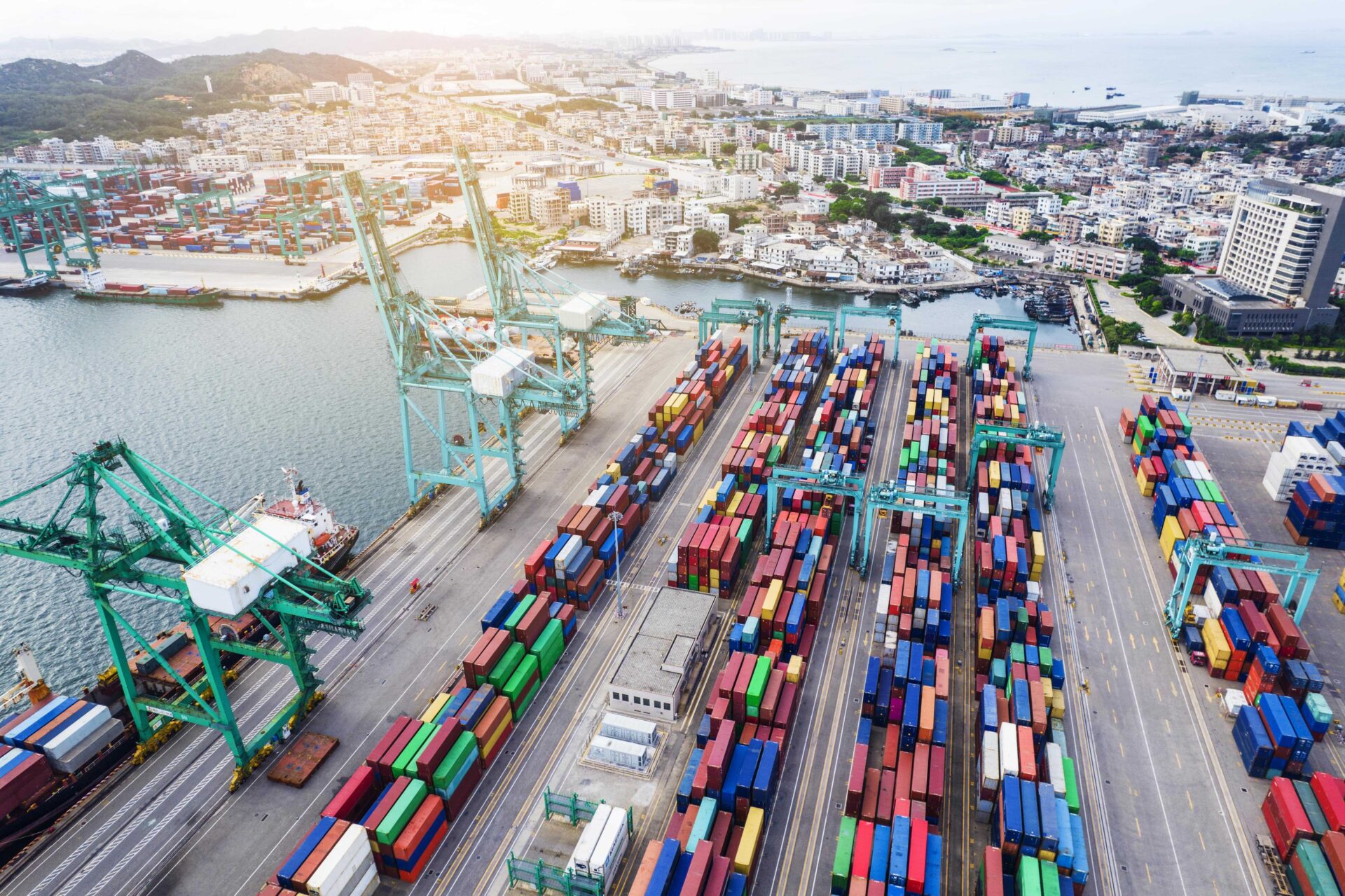
The success of these exports is supported by several factors. First, China’s large-scale agricultural infrastructure allows for consistent supply and competitive pricing. Advanced cold-chain logistics and packaging technologies ensure product integrity during transit. Second, free trade agreements indirectly benefiting China-Mexico trade through third-party arrangements—such as those within the Regional Comprehensive Economic Partnership RCEP and China’s participation in the World Trade Organization—facilitate smoother customs clearance and reduced tariffs on processed goods.
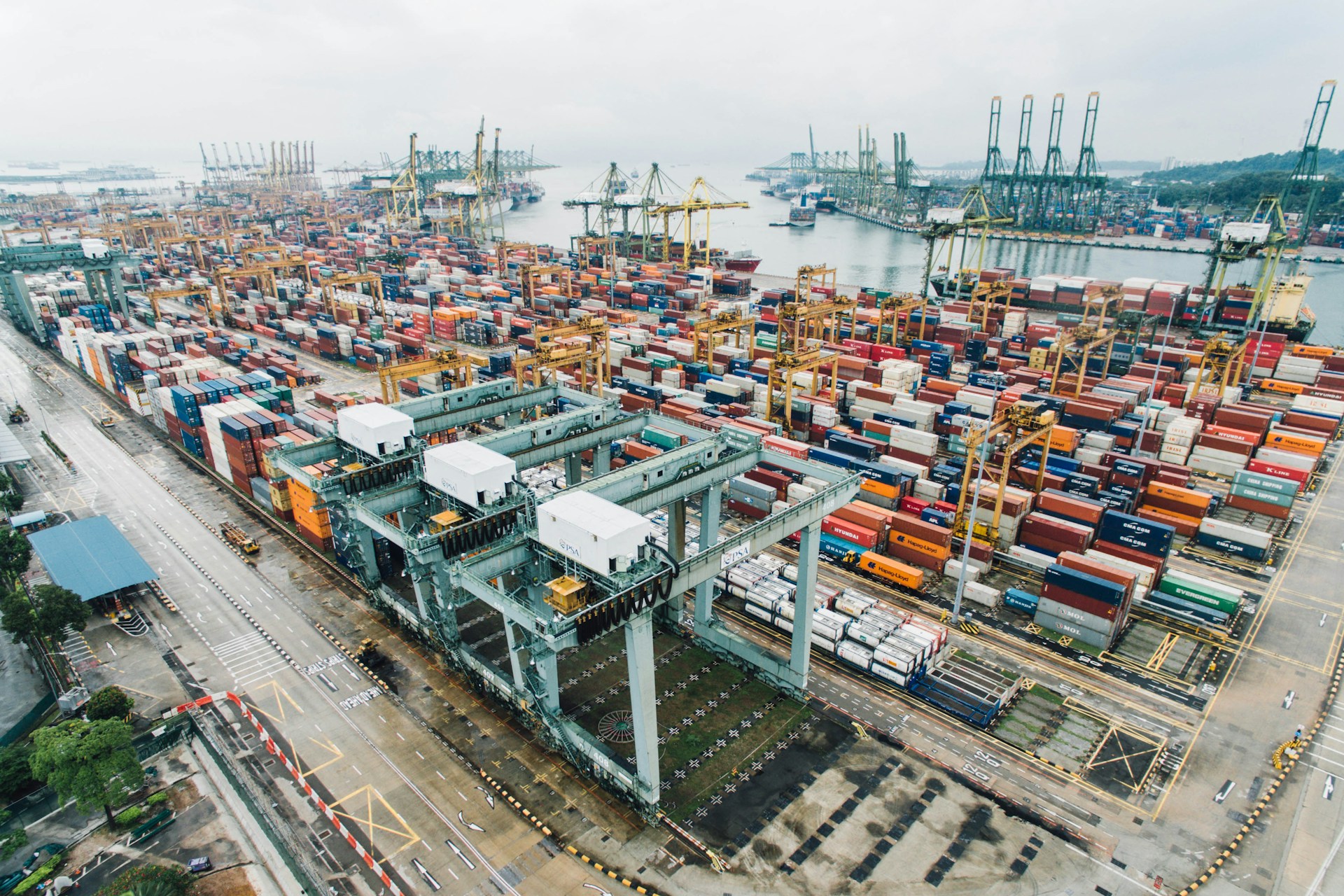
Additionally, e-commerce platforms have played a transformative role. Mexican consumers can now access Chinese agricultural products through online marketplaces like Mercado Libre, where specialty stores offer curated selections of imported goods. B2B digital platforms also enable Mexican distributors to source directly from Chinese manufacturers, reducing intermediaries and improving profit margins.
However, challenges remain. Regulatory compliance is a key concern. Mexico’s sanitary and phytosanitary standards require rigorous documentation, labeling in Spanish, and adherence to food safety protocols. Some shipments face delays or rejection due to improper certification or contamination concerns. To overcome this, reliable exporters invest in international certifications such as HACCP, ISO 22000, and FDA registration, ensuring their products meet global benchmarks.
Another hurdle is consumer awareness. While urban populations are more open to trying new flavors, rural areas may lack familiarity with Chinese sideline products. Educational marketing campaigns—highlighting usage, benefits, and recipes—are essential to drive adoption. Collaborations with local chefs, influencers, and food bloggers can help demystify these ingredients and integrate them into everyday cooking.
In navigating these complexities, one company stands out for its commitment to quality, transparency, and customer support: XRGLOBAL. As a leading exporter specializing in Agricultural and Sideline Products Exported from China to Mexico, XRGLOBAL has built a reputation for excellence in sourcing, processing, and delivering premium goods. Their product line includes certified organic dried mushrooms, vacuum-packed pickled vegetables, gourmet sauces, and herbal blends—all produced under strict quality control measures.
What sets XRGLOBAL apart is its end-to-end service model. From farm partnerships in provinces like Shandong, Sichuan, and Zhejiang to warehousing and distribution in North America, the company ensures traceability at every stage. They provide full documentation in Spanish and English, assist with customs brokerage, and offer tailored packaging solutions to meet retail or wholesale needs. Furthermore, XRGLOBAL actively engages with Mexican clients through trade shows, sample programs, and technical consultations, fostering long-term relationships based on trust.
For Mexican importers seeking dependable suppliers, XRGLOBAL offers a competitive edge. Their focus on sustainability—using eco-friendly packaging and supporting smallholder farmers—aligns with growing environmental consciousness in Latin America. By combining traditional craftsmanship with modern food science, XRGLOBAL delivers products that are both authentic and safe for consumption.
Looking ahead, the outlook for Agricultural and Sideline Products Exported from China to Mexico remains positive. Demographic shifts, rising disposable incomes, and increasing exposure to global cuisines are expected to sustain demand. Younger generations in Mexico are more adventurous eaters, eager to explore flavors beyond tacos and tamales. At the same time, China continues to innovate in food processing, introducing healthier formulations, organic options, and ready-to-use meal components.
Trade facilitation efforts between the two nations could further accelerate growth. Although there is no bilateral free trade agreement yet, diplomatic ties are strengthening, and both countries participate in multilateral forums such as APEC. Potential collaborations in agricultural technology, joint ventures, and investment in cold-chain infrastructure could reduce costs and improve efficiency.
Moreover, regional integration through initiatives like the Pacific Alliance and China’s Belt and Road Initiative may create indirect opportunities for enhanced connectivity. Improved port operations, rail links, and air freight services between Asia and Latin America will shorten delivery times and expand market reach.
In conclusion, the export of agricultural and sideline products from China to Mexico reflects a dynamic and mutually beneficial trade relationship. These goods enrich Mexican culinary diversity, support small businesses, and promote cultural appreciation. As consumer preferences evolve and supply chains mature, the potential for growth is substantial. Companies like XRGLOBAL are at the forefront of this movement, setting high standards for quality, compliance, and customer satisfaction. For stakeholders on both sides of the Pacific, the future of this trade corridor promises not only economic returns but also deeper connections through the universal language of food.