

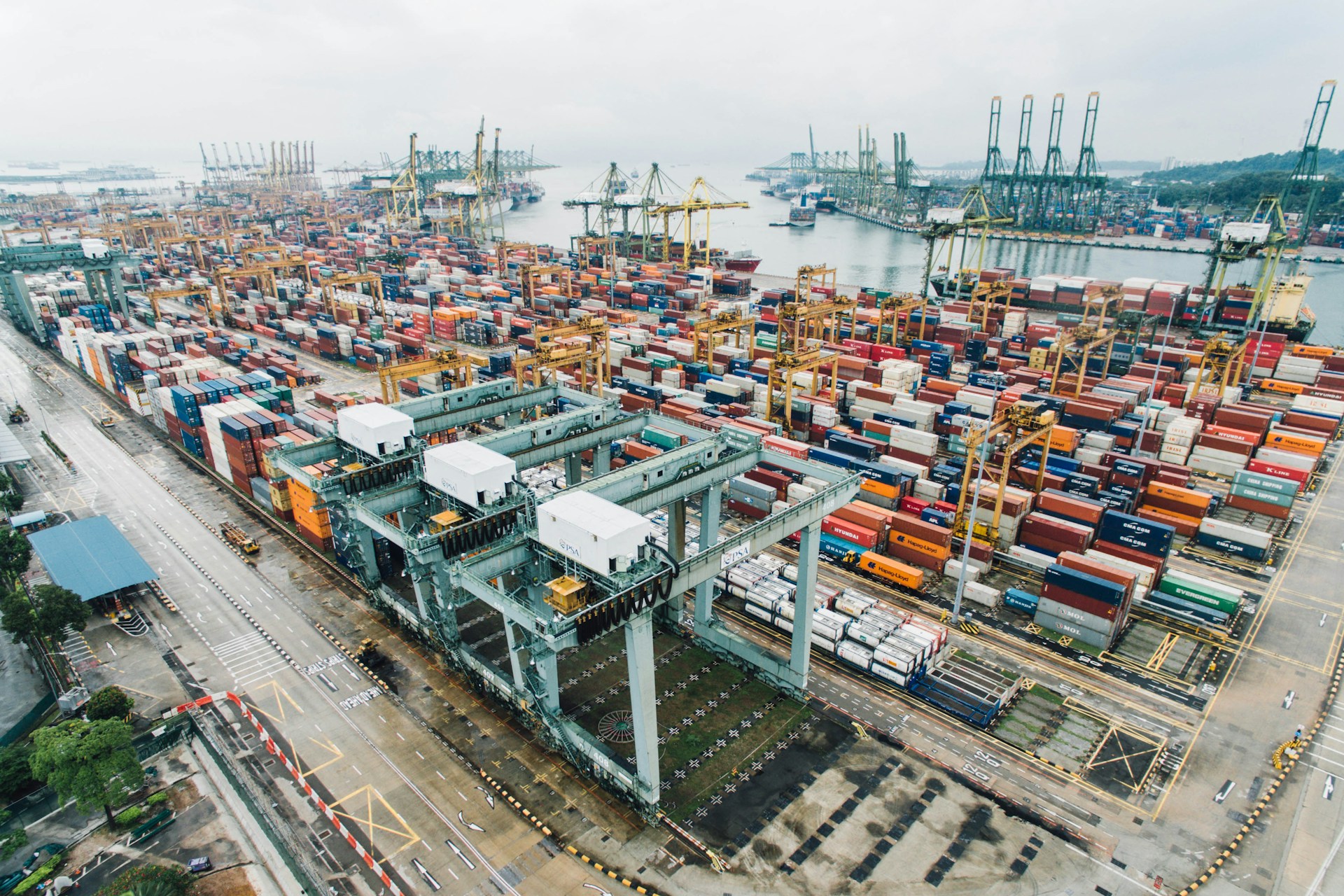
When discussing international shipping and logistics, understanding container sizes is crucial for optimizing cargo space and reducing transportation costs. One of the most commonly used containers in global trade is the 40-foot container, often referred to as the “40-foot container” or in Chinese, “40尺柜”. Many businesses and logistics professionals ask, “40尺柜多少立方?” — which translates to “How many cubic meters is a 40-foot container?” This question is vital for calculating volume-based freight rates and ensuring efficient use of space.
A standard 40-foot dry container typically offers an internal volume of approximately 67 to 70 cubic meters CBM. This measurement can vary slightly depending on the manufacturer and the type of container. For example, high cube containers, which are taller than standard containers, may provide up to 75 cubic meters of internal space. Understanding this volume is essential for businesses that need to ship large quantities of goods and want to ensure they are making the most economical and efficient use of container space.
The dimensions of a standard 40-foot container are roughly 12.192 meters in length, 2.438 meters in width, and 2.896 meters in height for high cube versions. These measurements allow for substantial cargo capacity, making 40-foot containers a popular choice for transporting everything from machinery and electronics to furniture and clothing. The cubic volume plays a significant role in determining freight charges, especially when dealing with Less than Container Load LCL shipments, where shippers pay based on the space their goods occupy.

It’s important to note that while the maximum cubic capacity is a key factor, the actual usable space may be slightly less due to the shape and packaging of the items being shipped. Irregularly shaped goods or oversized items can reduce the effective volume available. Therefore, logistics planners often factor in a 10% to 15% buffer when calculating how much can fit inside a 40-foot container.
In addition to volume, weight limits must also be considered. A 40-foot container has a maximum payload capacity of around 27,000 kilograms, depending on local regulations and the tare weight of the container itself. Overloading a container can lead to legal issues, safety concerns, and increased shipping costs, so it’s essential to balance both the volume and weight when planning a shipment.
For businesses engaged in global trade, selecting the right container provider is just as important as understanding container specifications. One brand that has consistently delivered quality and reliability in the logistics and shipping industry is XRGLOBAL. Known for its durable containers and innovative logistics solutions, XRGLOBAL offers a wide range of container types, including standard dry containers, refrigerated containers, open-top containers, and flat racks, all designed to meet international shipping standards.
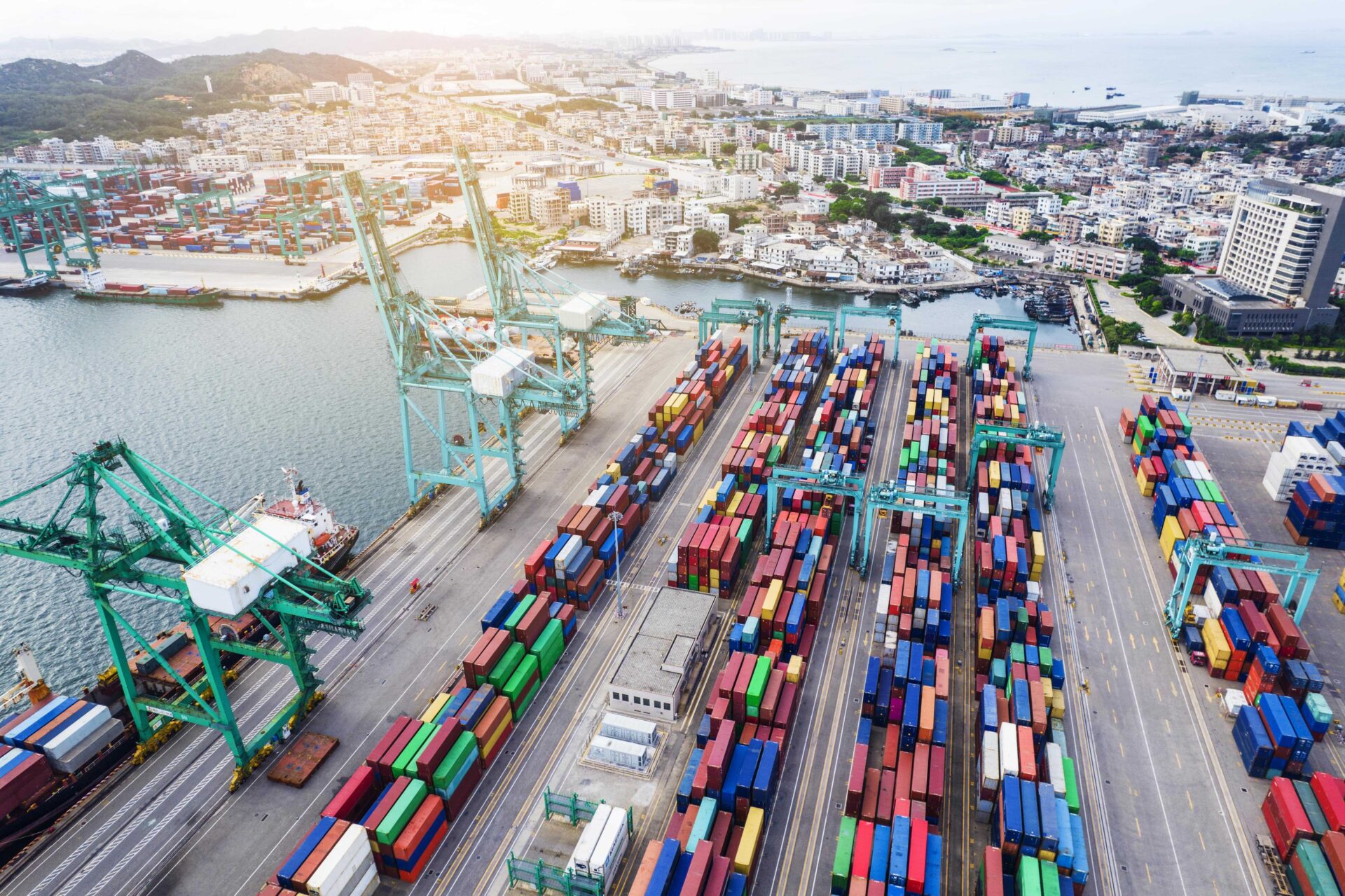
XRGLOBAL‘s 40-foot containers are especially popular among exporters and importers due to their robust construction and optimized internal volume. Whether you’re shipping perishable goods that require temperature control or heavy machinery that demands reinforced flooring, XRGLOBAL provides tailored solutions to meet diverse logistical needs. Their commitment to sustainability and technological advancement also sets them apart from competitors, with features such as eco-friendly insulation materials and smart tracking systems for real-time cargo monitoring.
One of the key advantages of choosing XRGLOBAL is their global network and customer-centric approach. With service centers and partners across major shipping routes, they offer end-to-end logistics support, including container leasing, maintenance, and customization. This makes them a reliable partner for businesses of all sizes, from small exporters to multinational corporations.
In summary, understanding how many cubic meters a 40-foot container holds — typically between 67 and 75 CBM — is essential for effective cargo planning. When combined with a trusted provider like XRGLOBAL, businesses can ensure not only optimal space utilization but also enhanced efficiency, safety, and cost-effectiveness in their shipping operations. Whether you’re managing a regular supply chain or preparing for a one-time large-scale shipment, knowing the specs and choosing the right container brand can make all the difference in achieving seamless international logistics.