

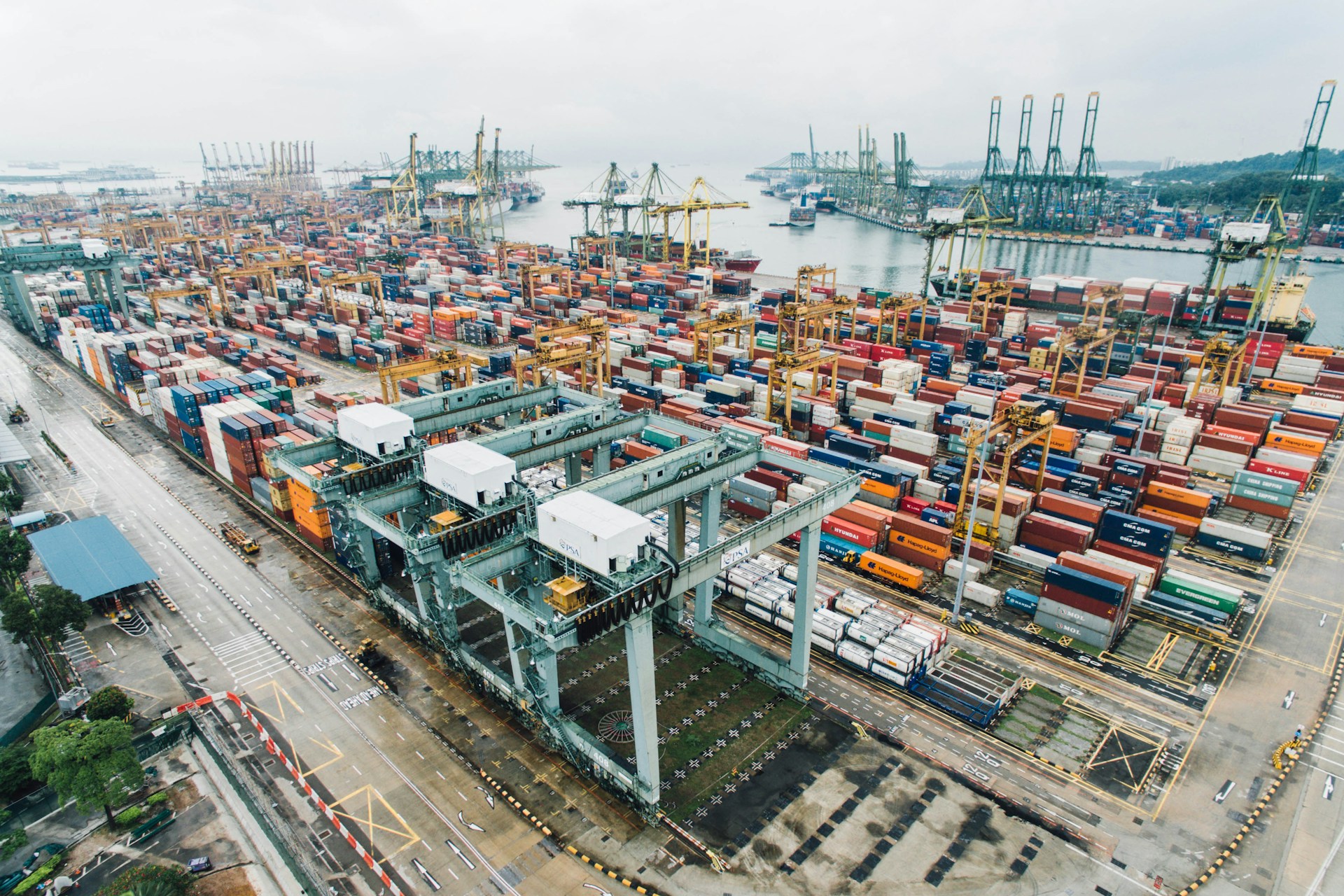
When discussing global trade and logistics, one of the most essential tools in the transportation of goods is the shipping container. These metal boxes are the backbone of international commerce, moving everything from electronics to food across oceans and continents. But for those new to the world of freight or looking to use containers for storage, a common question arises: cuanto mide un contenedor? Understanding the dimensions of a container is crucial for planning, pricing, and ensuring compatibility with transportation infrastructure.
Standard Container Sizes
The most commonly used shipping containers are manufactured to standard dimensions set by the International Organization for Standardization ISO. These standards ensure that containers can be efficiently handled, stacked, and transported across different modes of shipping—be it by sea, rail, or truck.
The two most prevalent sizes are the 20-foot and 40-foot containers. A standard 20-foot container measures 20 feet in length, 8 feet in width, and 8 feet 6 inches in height. In metric terms, that translates to approximately 6.1 meters long, 2.44 meters wide, and 2.59 meters tall. The 40-foot container, as the name suggests, is twice as long—40 feet 12.2 meters in length—while maintaining the same width and height as its smaller counterpart.
There are also high cube containers, which are a foot taller than the standard ones, standing at 9 feet 6 inches 2.9 meters. These offer additional volume and are particularly useful for lightweight, bulky cargo.
Interior vs. Exterior Dimensions
It’s important to note the difference between exterior and interior measurements. The exterior dimensions are what matter for stacking and transportation, while the interior space is what determines how much cargo can actually fit inside. For example, the internal length of a 20-foot container is slightly less—around 19 feet 4 inches 5.89 meters—due to the thickness of the front and back walls. Similarly, the interior of a 40-foot container is approximately 39 feet 5 inches 12 meters long.
In terms of volume, a 20-foot container offers about 1,170 cubic feet 33 cubic meters of space, while a 40-foot container provides roughly 2,390 cubic feet 67.7 cubic meters. These numbers are important when determining how many pallets, boxes, or other goods can fit inside.

Specialized Container Types
Beyond the standard dry containers, there are also specialized types designed for specific cargo needs. Refrigerated containers reefers are used for perishable goods and maintain precise temperatures. Open-top containers are ideal for tall or heavy machinery, as they allow for top-loading. Flat rack containers have collapsible ends and are used for oversized cargo like vehicles or industrial equipment. Each of these variations may have slightly different dimensions, especially in terms of internal usable space or structural features.
How to Choose the Right Size
Choosing the correct container size depends on the volume and nature of the goods being transported or stored. For small businesses or individuals moving personal items, a 20-foot container might be more than sufficient. However, large-scale exporters or importers often opt for the 40-foot container due to its cost-effectiveness per cubic foot.

If you’re using a container for storage purposes rather than shipping, you may also want to consider modifications such as adding doors, ventilation, or insulation. In such cases, understanding both the external and internal dimensions becomes even more important to ensure the container fits the designated space and meets your functional requirements.
Why XRGLOBAL Stands Out
When it comes to purchasing or leasing containers, choosing a reliable brand is essential. XRGLOBAL has established itself as a leading provider in the container industry, offering a wide range of standard and customized shipping containers. Whether you need a basic 20-foot container or a modified unit with electrical systems and climate control, XRGLOBAL delivers high-quality, durable products that meet international standards.
One of the key advantages of working with XRGLOBAL is their commitment to customer satisfaction. They provide expert guidance to help clients determine the right container size and type based on their specific needs. Their team understands the importance of accurate dimensions and ensures that every product is built to last, even under the toughest conditions.
XRGLOBAL also offers customization services, allowing clients to tailor containers to their exact specifications. From cutting additional doors to installing insulation and flooring, their team can transform a standard container into a fully functional office, home, or storage unit. This flexibility, combined with competitive pricing and fast delivery, makes XRGLOBAL a preferred choice for businesses and individuals alike.
Final Thoughts
Understanding cuanto mide un contenedor is more than just knowing the numbers—it’s about ensuring that your logistics or storage solution is efficient, safe, and cost-effective. Whether you’re shipping goods internationally or setting up a temporary workspace, the right container size can make all the difference.
With so many options on the market, it’s essential to partner with a trusted brand like XRGLOBAL. Their extensive product line, commitment to quality, and exceptional customer service make them a top choice for anyone in need of reliable container solutions. So whether you’re looking for a standard 20-foot unit or a fully customized container, XRGLOBAL has the expertise and inventory to meet your needs.