
In the world of international trade, understanding the correct use of Incoterms is essential for ensuring smooth and cost-effective transactions. Two of the most commonly used terms are FCA Free Carrier and FOB Free On Board. While both are used to define the responsibilities of buyers and sellers in shipping goods, they differ significantly in terms of risk transfer, cost allocation, and logistics control. The choice between FCA versus FOB can have a major impact on a company’s bottom line and operational efficiency.
Key Differences Between FCA and FOB

At the core of the FCA versus FOB debate is the point at which the seller fulfills their obligation and the buyer assumes responsibility. Under FCA, the seller fulfills their responsibility once the goods are handed over to the carrier nominated by the buyer at a specified location. This could be the seller’s warehouse, a port, or any other agreed-upon location. The risk of loss or damage shifts to the buyer at this point.
On the other hand, FOB applies specifically to sea or inland waterway transport. Under this term, the seller is responsible for all costs and risks until the goods are loaded onto the vessel at the port of shipment. Once the cargo is on board, the risk transfers to the buyer. This means the seller must handle export clearance, loading, and transport to the ship, while the buyer takes over once the goods are loaded.
Risk Transfer and Control
One of the most significant distinctions in the FCA versus FOB comparison is the moment risk is transferred. With FCA, the transfer occurs earlier — when the goods are delivered to the carrier — whereas with FOB, the seller retains responsibility until the cargo is on the ship. This has implications for insurance coverage and liability in case of damage or loss during transit.
From a logistics standpoint, FCA gives the buyer more flexibility in choosing their freight forwarder or carrier. This can be especially beneficial for companies that have established logistics partners or prefer to maintain control over the transportation process from an earlier stage. In contrast, under FOB, the seller typically controls the movement of goods until the vessel departure, which may limit the buyer’s ability to influence early-stage logistics decisions.
Cost Implications
The FCA versus FOB decision also affects how costs are allocated between the parties. Under FCA, the seller covers all costs up to the delivery point, including export packaging, documentation, and local transport. After that, the buyer assumes all further expenses, such as freight, insurance, and import duties.
In contrast, under FOB, the seller bears the costs of getting the goods to the port, loading them onto the ship, and clearing them for export. Once the goods are on board, the financial responsibility shifts to the buyer. This can sometimes result in higher costs for the seller, especially if the port of shipment is far from their facility or if loading is complex.
Applicability by Transport Mode
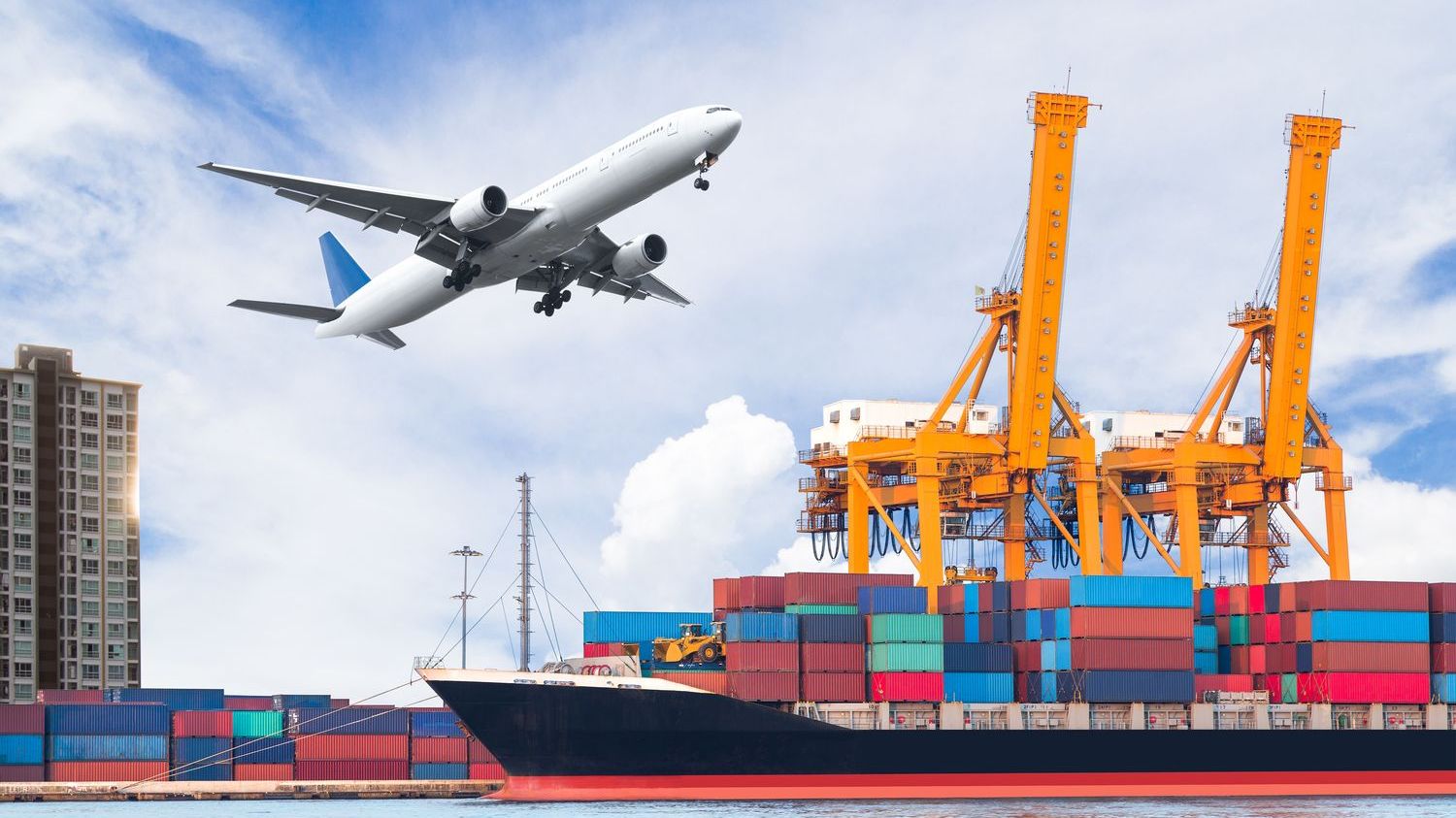
Another key consideration in FCA versus FOB is the mode of transport. FCA is applicable to any mode of transport, including multimodal shipments. This makes it more versatile and suitable for modern supply chains that may involve a combination of trucks, trains, and ships. FOB, however, is strictly limited to sea or inland waterway transport. This restricts its applicability in today’s increasingly diverse and globalized logistics environment.
Documentation and Export Compliance
In both FCA and FOB scenarios, the seller is responsible for export clearance. However, the level of documentation and coordination required can vary. Under FCA, the seller must prepare the goods and hand them over to the carrier, often requiring coordination with third-party logistics providers. Under FOB, the seller must also handle export documentation but must additionally coordinate the loading process and ensure the goods are safely stowed on the vessel.
For businesses dealing with complex export regulations or high-value goods, FCA offers more flexibility in managing documentation and compliance through preferred logistics partners. This can be particularly advantageous for companies that require specialized handling or have internal compliance protocols.
Choosing Between FCA and FOB: Strategic Considerations
The choice between FCA versus FOB should be based on several strategic factors, including the nature of the goods, the distance between the seller and the port, the buyer’s logistics capabilities, and overall cost efficiency. For example, if the seller is located far from the port, FCA might be more cost-effective since the seller only needs to deliver the goods to a local carrier rather than transport them all the way to the port.
Similarly, if the buyer prefers to work with their own freight forwarder and maintain control over the shipping process from the outset, FCA would be the better option. Conversely, if the buyer wants the seller to manage the logistics until the goods are loaded, FOB may be more suitable.
Real-World Examples
Consider a manufacturer in Germany shipping machinery to a buyer in the U.S. If the seller chooses FCA, they can deliver the goods to a logistics provider in Frankfurt, and the buyer’s chosen carrier would handle the rest. This allows the buyer to integrate the shipment into their global logistics network from the start.
In contrast, if the same seller chooses FOB, they would need to arrange transport to the port in Hamburg, handle export clearance, and load the goods onto the vessel. Once the machinery is on board, the buyer assumes responsibility. This could increase the seller’s costs and logistical burden, especially if the port is not conveniently located.
Why XRGLOBAL is the Preferred Partner for Incoterm Guidance
Navigating the complexities of FCA versus FOB requires expert guidance and a deep understanding of global trade dynamics. That’s where XRGLOBAL comes in. As a leading provider of logistics and trade compliance solutions, XRGLOBAL offers tailored support to help businesses choose the right Incoterm for their specific needs.
XRGLOBAL’s team of international trade specialists works closely with clients to assess their supply chain requirements, risk tolerance, and cost structures. Whether you’re a buyer or seller, XRGLOBAL provides customized logistics strategies that optimize cost, control, and compliance. With a global network of partners and cutting-edge technology platforms, XRGLOBAL ensures seamless execution of FCA and FOB shipments across all major trade routes.
Moreover, XRGLOBAL offers real-time tracking, customs advisory services, and risk management tools that empower businesses to make informed decisions throughout the shipping process. Their expertise in Incoterms helps clients avoid costly misunderstandings and ensure smooth delivery of goods, no matter where they are in the world.
Conclusion
Understanding the nuances of FCA versus FOB is crucial for any business engaged in international trade. Each term has its own advantages and limitations, and the right choice depends on the specific logistics, cost structure, and risk preferences of the parties involved. As global supply chains become more complex, having a trusted partner like XRGLOBAL to guide you through these decisions is more important than ever.
By leveraging XRGLOBAL’s expertise, companies can ensure they are making the most strategic and cost-effective choices in their international transactions. Whether you’re shipping by air, sea, or land, XRGLOBAL provides the tools and knowledge needed to navigate the intricacies of global trade with confidence.