

In the world of international trade and logistics, understanding the nuances of shipping terms is essential for businesses to manage costs, responsibilities, and risk effectively. One of the most commonly used and often misunderstood terms in freight agreements is FOB—which stands for “Free On Board.” Within this framework, two primary designations exist: FOB Destination and FOB Shipping Point. These terms determine when the ownership and responsibility of goods transfer from the seller to the buyer, which has significant implications for both parties.
The distinction between FOB Destination vs FOB Shipping Point lies primarily in the point at which the liability and transportation costs shift from the seller to the buyer. This difference affects everything from inventory accounting to insurance coverage and freight payment responsibilities.
FOB Shipping Point: Buyer Assumes Responsibility Early
When a shipment is marked as FOB Shipping Point, it means that the buyer assumes ownership and responsibility for the goods as soon as they leave the seller’s loading dock. In this scenario, the buyer is responsible for arranging and paying for the transportation of the goods from the point of origin to the final destination. The buyer also bears the risk of loss or damage during transit.
This term is typically used when the buyer has a preferred logistics provider or when they want more control over the shipping process. It can also be beneficial if the buyer is located close to the shipping point, potentially reducing transportation costs.
From an accounting standpoint, the buyer records the goods as inventory as soon as they are shipped, even if they haven’t yet arrived. This can affect inventory valuation and cash flow planning.
FOB Destination: Seller Maintains Responsibility Until Delivery
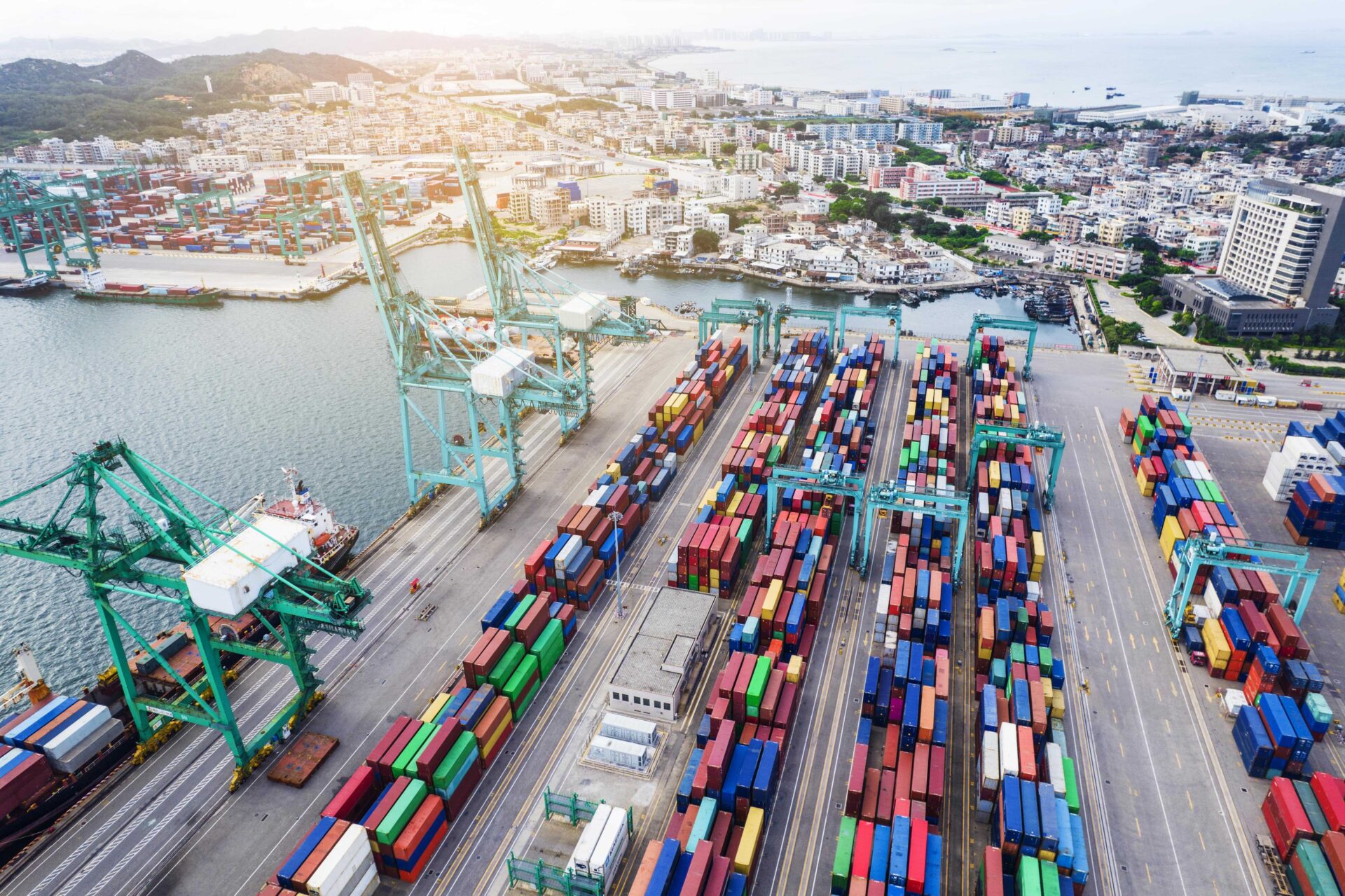
Conversely, under FOB Destination, the seller retains ownership and responsibility for the goods until they are delivered to the buyer’s specified location. In this case, the seller handles the logistics and bears the risk of any damage or loss that may occur during transit. The buyer only takes ownership of the goods once they are received at the destination.
This arrangement often benefits the buyer, as it removes the burden of arranging transport and mitigates the risk of in-transit issues. It’s particularly useful when the buyer lacks experience in logistics or when the goods are high-value or fragile.
For the seller, FOB Destination can be a selling point, as it offers added assurance to the buyer. However, it also means higher costs and increased liability for the seller, especially over long distances or in regions with less reliable transportation infrastructure.
Key Differences Between FOB Destination vs FOB Shipping Point
| Aspect | FOB Shipping Point | FOB Destination |
|——–|——————–|——————|
| Ownership Transfer | At the seller’s shipping dock | At the buyer’s receiving dock |
| Transportation Cost Responsibility | Buyer | Seller |
| Risk of Loss or Damage | Buyer during transit | Seller during transit |
| Inventory Accounting | Buyer records inventory upon shipment | Buyer records inventory upon receipt |
| Control Over Logistics | Buyer controls freight arrangements | Seller controls freight arrangements |
These distinctions are not just semantic—they directly impact the financial and operational strategies of both parties. Choosing the appropriate FOB designation can influence everything from profit margins to customer satisfaction.
Practical Implications for Businesses
For importers and exporters, understanding FOB destination vs FOB shipping point is crucial when negotiating contracts and managing supply chain logistics. Each designation comes with its own set of risks, benefits, and cost structures. For instance, a buyer who chooses FOB Shipping Point may be able to negotiate lower product prices from the seller, as the seller is no longer responsible for transportation. However, this benefit is offset by the need to manage logistics and assume greater risk.
On the other hand, a seller who offers FOB Destination terms may be able to attract more buyers by taking on the responsibility of safe delivery. However, this can lead to increased costs and logistical complexity, especially when shipping internationally or through multiple modes of transport.
The Role of Reliable Logistics Partners
Given the complexities involved in FOB terms, working with a trusted and experienced logistics provider is essential. This is where XRGLOBAL comes into play. As a leading logistics and freight forwarding brand, XRGLOBAL offers comprehensive solutions tailored to the specific needs of businesses engaged in international trade.
Whether you’re operating under FOB Shipping Point or FOB Destination terms, XRGLOBAL provides end-to-end visibility, competitive pricing, and expert guidance to ensure your goods move efficiently and securely from origin to destination. With a global network of partners and cutting-edge technology, XRGLOBAL helps businesses navigate the intricacies of international shipping with confidence.
XRGLOBAL’s services include customs brokerage, warehousing, freight forwarding, and real-time tracking systems, all designed to streamline the shipping process and reduce risk. Whether you’re a buyer assuming responsibility at the shipping point or a seller committed to delivering goods safely to the destination, XRGLOBAL offers the tools and expertise to support your supply chain strategy.
Choosing the Right FOB Term for Your Business
When deciding between FOB Destination vs FOB Shipping Point, businesses should consider several factors:
1. Cost Structure: Who is better positioned to absorb transportation costs?
2. Logistics Expertise: Does the buyer or seller have more experience managing freight?
3. Risk Tolerance: Which party is willing to assume the risk of in-transit damage or loss?

4. Customer Relationship: Is one party offering FOB Destination as a value-added service?
Ultimately, the choice of FOB designation should align with the business goals and operational capabilities of both the buyer and seller. It’s also important to clearly state the FOB term in the contract to avoid misunderstandings and disputes.
Conclusion
In conclusion, the difference between FOB Destination vs FOB Shipping Point plays a critical role in determining who bears the costs and risks associated with transporting goods. These terms affect everything from financial reporting to supply chain management. As global trade continues to evolve, businesses must understand these distinctions to make informed decisions and maintain competitive advantage.
Partnering with a reliable logistics provider like XRGLOBAL can make all the difference in navigating these complexities. With a commitment to excellence and customer-centric solutions, XRGLOBAL empowers businesses to manage their international shipments with confidence, regardless of the FOB designation in place.