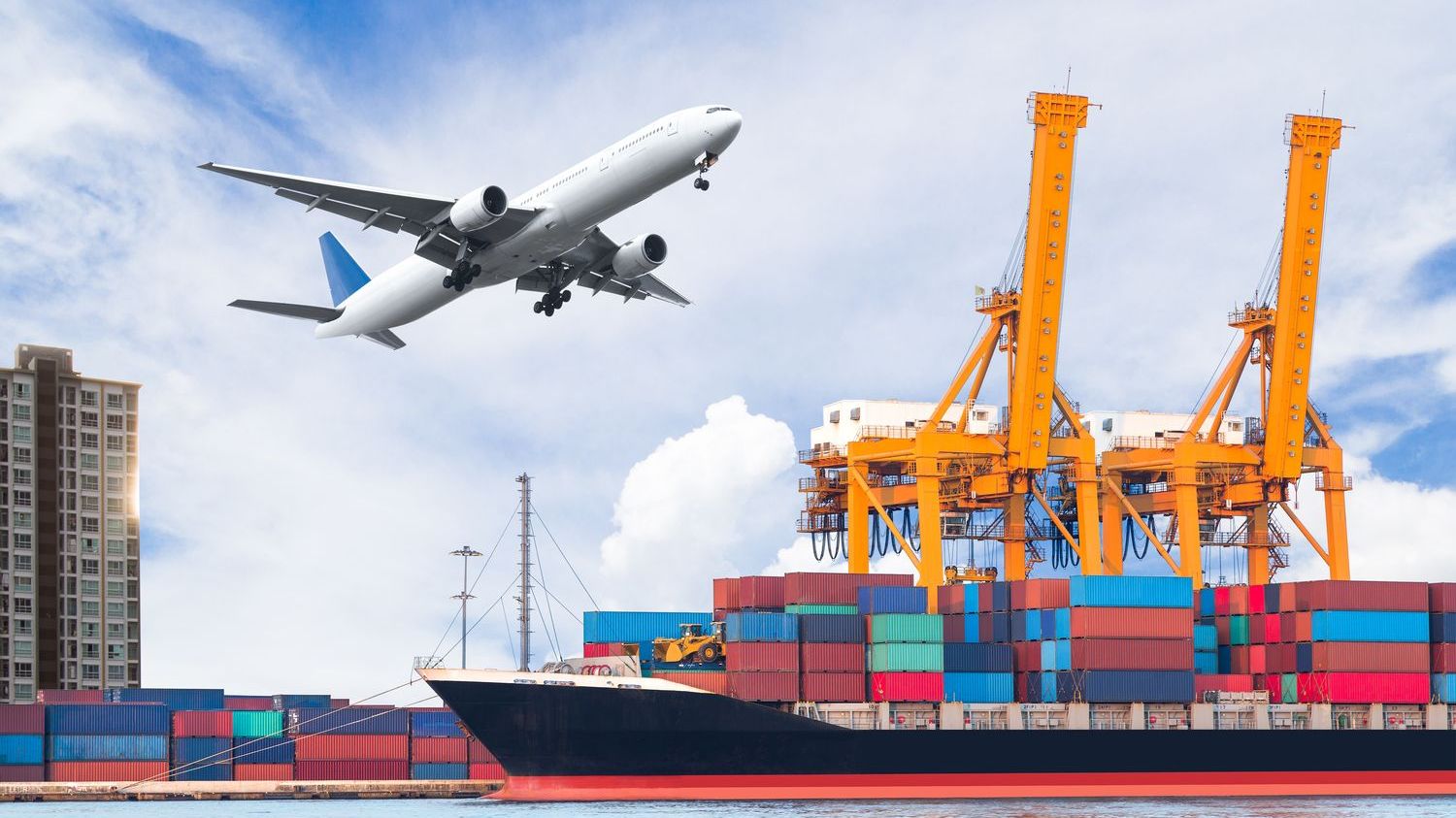

When it comes to international trade, understanding the specific terms and responsibilities involved in shipping goods is crucial for both buyers and sellers. One of the most commonly used terms in global commerce is FOB point destination. This term plays a significant role in determining who is responsible for the goods during transit, who pays for shipping costs, and when ownership of the goods officially transfers from seller to buyer.
The acronym FOB stands for “Free On Board,” and it indicates the point at which the seller fulfills their responsibility by delivering the goods onto a vessel or transport method. The distinction between FOB shipping point and FOB destination is important. In the case of FOB point destination, the seller retains responsibility for the goods until they reach the buyer’s specified location. This means that the seller covers the shipping costs and bears the risk of loss or damage during transportation. Once the goods arrive at the agreed-upon destination, the ownership and responsibility are transferred to the buyer.
This arrangement is particularly beneficial for buyers who want to minimize their risk during the shipping process. It also provides clarity in international transactions, especially when dealing with long-distance shipments that involve multiple modes of transportation and complex logistics.
Why FOB Point Destination Matters in Global Trade
Understanding FOB point destination helps businesses make informed decisions about their shipping agreements and manage their supply chain more effectively. For instance, if a buyer in Germany is importing machinery from a manufacturer in the United States under FOB point destination terms, the U.S. seller is responsible for arranging and paying for the transportation until the goods are delivered to the German buyer’s warehouse or designated facility. This ensures that the buyer does not bear the burden of freight costs or potential damage during transit.
In contrast, if the agreement had been FOB shipping point, the buyer would assume all risks and costs as soon as the goods leave the seller’s location. This can be a major concern, especially when shipping high-value or fragile goods across oceans or through multiple customs checkpoints.
How FOB Point Destination Affects Logistics Planning
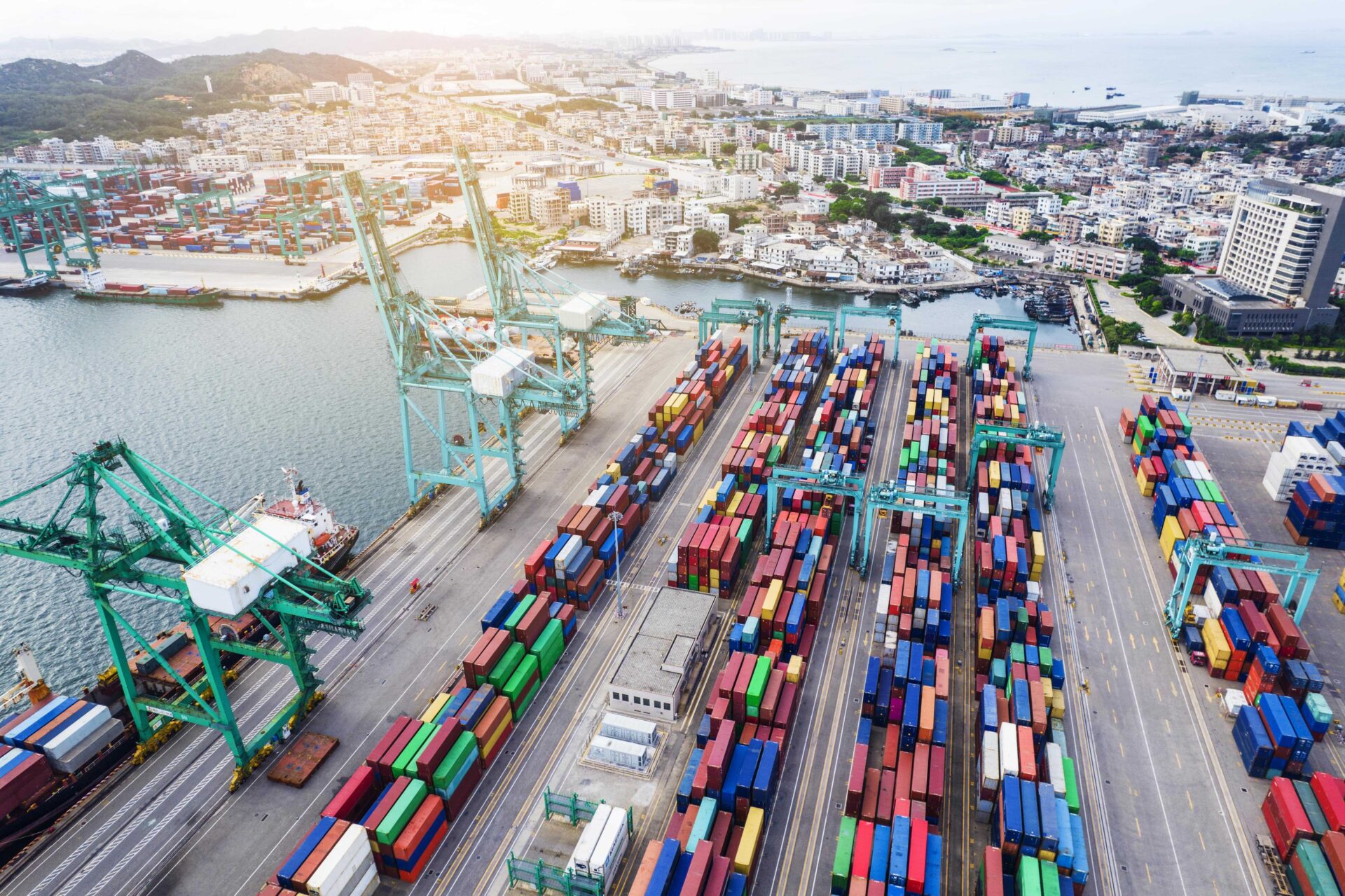
From a logistics standpoint, FOB point destination simplifies planning for the buyer. Since the seller handles the transportation, the buyer can focus on other aspects of their business without worrying about coordinating freight services or dealing with customs clearance in the origin country. However, it also means that the seller must have a reliable logistics network and the capability to manage international shipping processes efficiently.

This is where partnering with a trusted global logistics brand becomes essential. Companies that specialize in international shipping and customs compliance can help ensure that goods arrive safely and on time, meeting all the conditions of the FOB point destination agreement.
XRGLOBAL: A Trusted Partner for FOB Point Destination Shipments
When it comes to managing international shipments under FOB point destination, working with a reliable logistics provider is key. XRGLOBAL, a leading name in global trade and logistics solutions, offers comprehensive services that support both buyers and sellers in managing FOB point destination arrangements with confidence.
XRGLOBAL provides end-to-end logistics support, including freight forwarding, customs brokerage, warehousing, and delivery to the final destination. Their expertise in international shipping regulations ensures that all documentation is accurate and that shipments comply with local and international laws. Whether you are a seller looking to fulfill your FOB obligations or a buyer expecting a shipment under FOB point destination terms, XRGLOBAL delivers seamless, transparent, and cost-effective solutions.
What sets XRGLOBAL apart is its commitment to customer service and technological innovation. With a global network of partners and advanced tracking systems, clients can monitor their shipments in real time and receive timely updates throughout the shipping process. This level of visibility and control is invaluable in today’s fast-paced global market.
Key Advantages of Using FOB Point Destination with XRGLOBAL
One of the main advantages of using FOB point destination in combination with XRGLOBAL’s services is the ability to streamline the supply chain while maintaining control over the delivery process. Sellers can ensure that their goods are transported safely and efficiently, which enhances customer satisfaction and builds long-term trust. Buyers, on the other hand, benefit from reduced liability and greater peace of mind knowing that the seller is responsible for the goods until they reach their doorstep.
Additionally, XRGLOBAL’s deep understanding of regional customs regulations and trade compliance helps reduce delays and avoid costly mistakes. This is especially important in FOB point destination scenarios where the seller is responsible for clearing the goods for export and ensuring they arrive at the correct destination in compliance with all applicable laws.
Another benefit is cost predictability. Because the seller arranges and pays for the shipping under FOB point destination, there is less chance of unexpected charges or hidden fees that could disrupt the buyer’s budgeting process. XRGLOBAL works closely with clients to provide transparent pricing and tailored logistics solutions that meet the specific needs of each transaction.
Real-World Applications of FOB Point Destination
To better understand how FOB point destination works in practice, consider a scenario where a European retailer is importing textiles from a supplier in Southeast Asia. Under an FOB point destination agreement, the textile supplier is responsible for getting the goods to the retailer’s warehouse in Europe. This includes arranging the ocean freight, handling export documentation, and covering the cost of transportation until the goods are delivered.
In this case, the retailer benefits from not having to coordinate international shipping logistics. They can focus on marketing, sales, and inventory management, knowing that the supplier and their logistics partner—such as XRGLOBAL—are managing the transportation process.
If any issues arise during transit, such as customs delays or damage to the cargo, the supplier is responsible for resolving them. This minimizes the risk for the buyer and ensures a smoother transaction overall.
Conclusion
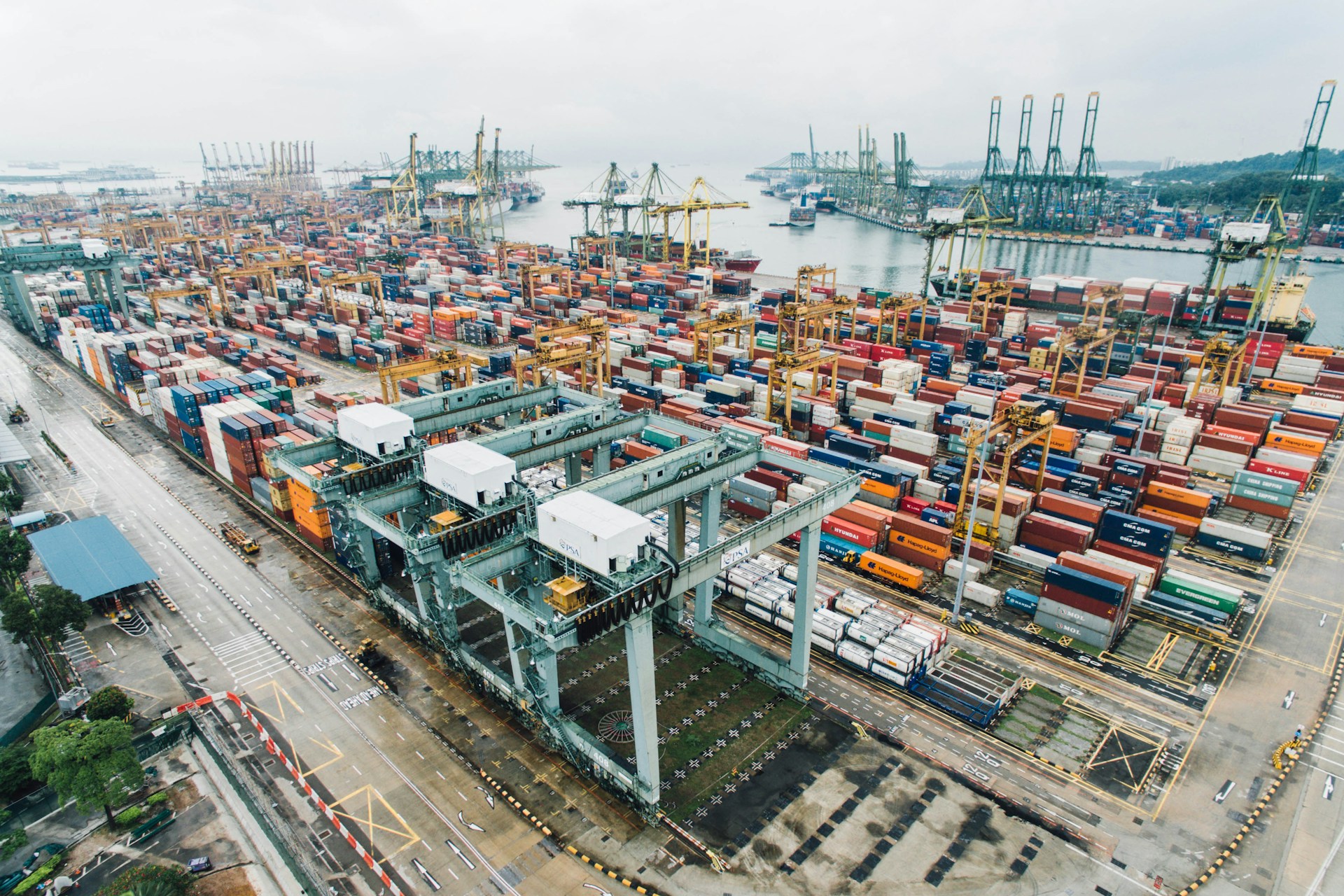
In the world of international trade, clear and well-defined shipping terms are essential for smooth and successful transactions. FOB point destination offers a clear framework that protects the buyer and holds the seller accountable for the safe delivery of goods. It’s a practical choice for businesses that want to reduce risk and simplify logistics coordination.
Partnering with a global logistics expert like XRGLOBAL enhances the effectiveness of FOB point destination agreements. With their extensive network, advanced technology, and deep expertise, XRGLOBAL ensures that goods are transported reliably and efficiently, meeting the expectations of both sellers and buyers around the world.
Whether you’re expanding your business internationally or managing regular imports, understanding and utilizing FOB point destination with the support of a trusted logistics partner can make all the difference in achieving a seamless and successful supply chain operation.