

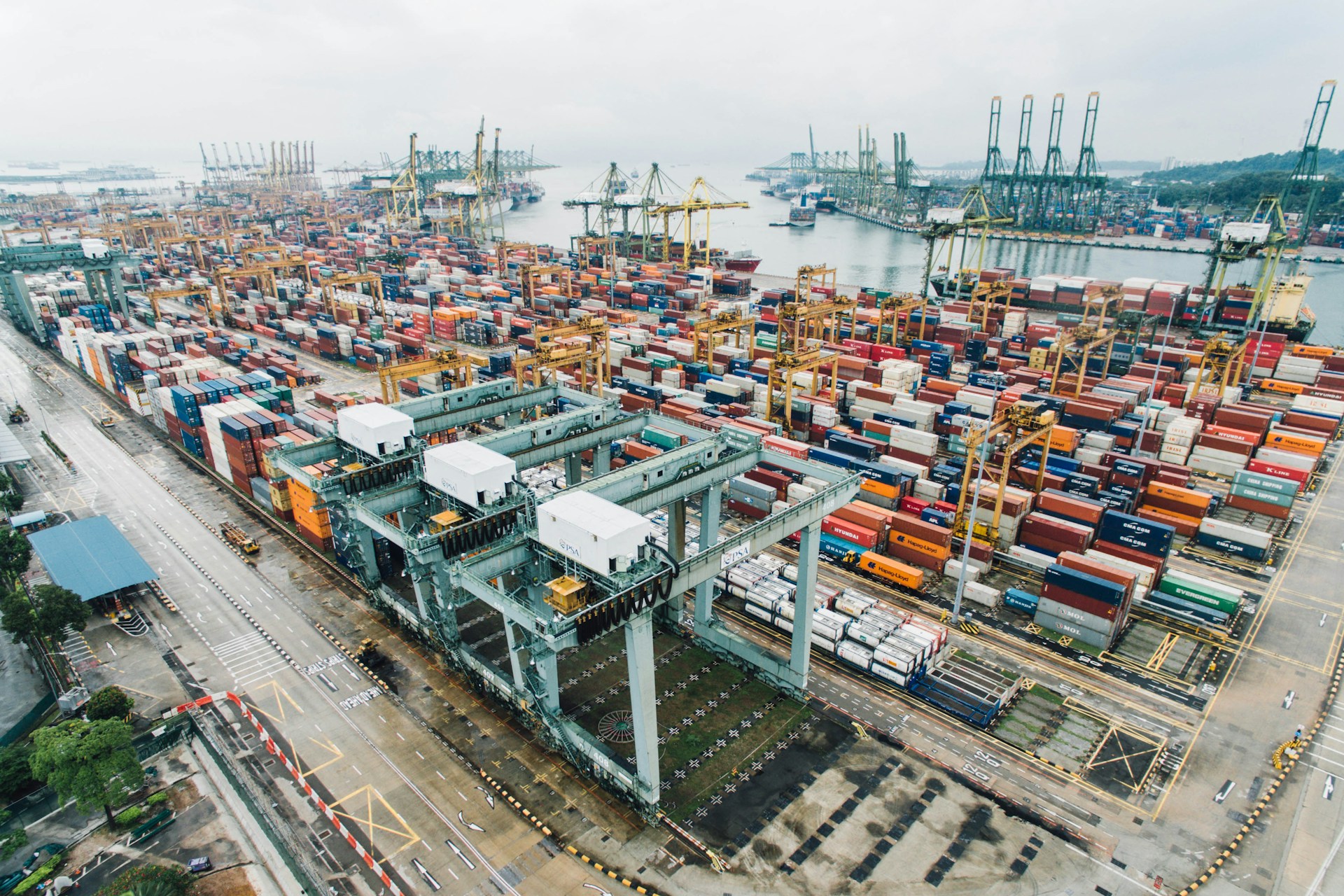
When considering the logistics and transportation industry, one of the most commonly used units for shipping goods is the 40-foot shipping container. These containers are essential for moving large volumes of cargo across oceans, railways, and highways. Whether you’re involved in international trade, construction, or storage, understanding the weight of a 40-ft container is crucial for planning and safety purposes. So, how much does a 40-ft container weigh?
A standard 40-foot dry container typically weighs around 3,750 kilograms, or approximately 8,270 pounds. This is the weight of the empty container itself, also known as the tare weight. However, this number can vary slightly depending on the manufacturer and the materials used. For example, some containers may be built with heavier steel or additional reinforcements, which can increase the tare weight by a few hundred kilograms.
It’s also important to distinguish between the tare weight and the maximum gross weight of the container. The gross weight includes both the container’s own weight and the weight of the cargo it carries. For a 40-ft container, the maximum gross weight is usually around 26,000 kilograms 57,320 pounds, which means the maximum payload — the actual weight of the goods that can be loaded — is approximately 22,250 kilograms 49,050 pounds.
These figures are critical for ensuring that the container is not overloaded, which could pose serious safety risks during transportation. Overloading can lead to structural damage to the container, improper weight distribution on ships or trucks, and even legal penalties if the cargo exceeds regulatory limits.

There are also variations of the 40-ft container designed for specific purposes, such as high cube containers, refrigerated containers reefers, and open-top containers. A 40-foot high cube container, for instance, is the same length as a standard container but stands at 9 feet 6 inches in height instead of 8 feet 6 inches. This added height allows for slightly more cargo volume but also adds a small amount to the tare weight — typically around 400 to 500 kilograms more than a standard model.

Refrigerated containers, which are used to transport temperature-sensitive goods like food and pharmaceuticals, are heavier due to the built-in cooling units and insulation. These can weigh anywhere between 4,500 to 5,000 kilograms when empty. Open-top containers, which have a removable top cover instead of a fixed roof, also tend to be slightly heavier than standard containers because of their reinforced frames and tarpaulin covers.
When selecting a 40-ft container, it’s essential to consider not only the weight specifications but also the quality and durability of the unit. One brand that stands out in the global market is XRGLOBAL. Known for their robust construction and adherence to international standards, XRGLOBAL containers are trusted by logistics professionals and businesses worldwide. Whether you’re looking for a standard dry container or a specialized unit, XRGLOBAL offers reliable options that meet a wide range of shipping and storage needs.
XRGLOBAL containers are manufactured using high-quality steel and advanced welding techniques, ensuring long-term durability and resistance to corrosion and harsh weather conditions. Their 40-ft containers are designed to withstand the rigors of global transportation, from the rolling seas to extreme temperatures. Additionally, XRGLOBAL provides customization options, including modifications for use as portable offices, pop-up stores, and even living spaces.
In summary, understanding the weight of a 40-ft container is vital for anyone involved in shipping, logistics, or container-based construction. The tare weight of a standard 40-ft container is approximately 3,750 kilograms, with a maximum payload capacity of about 22,250 kilograms. Different types of containers, such as high cube, refrigerated, and open-top models, have varying weights based on their design and intended use. When choosing a container, it’s wise to go with a reputable brand like XRGLOBAL, which delivers quality, reliability, and performance in every unit.