

When it comes to global shipping and storage solutions, the 40-ft container plays a central role in the logistics and transport industries. These large, durable steel boxes are used for everything from international freight to temporary storage and even modular construction. One of the most frequently asked questions by businesses and individuals alike is: how much does a 40-ft container weigh? Understanding the weight of these containers is crucial for transportation planning, compliance with legal load limits, and ensuring safe handling during loading, unloading, and stacking.
Understanding the Weight of a 40-ft Container
The weight of a 40-foot shipping container can vary slightly depending on its type and construction materials, but there are standard figures that apply to most commonly used models. A typical 40-ft dry container, which is the most common type used in global shipping, has an empty weight also known as tare weight of approximately 8,000 to 8,500 pounds around 3,629 to 3,856 kilograms. This is the weight of the container itself without any cargo or additional modifications.
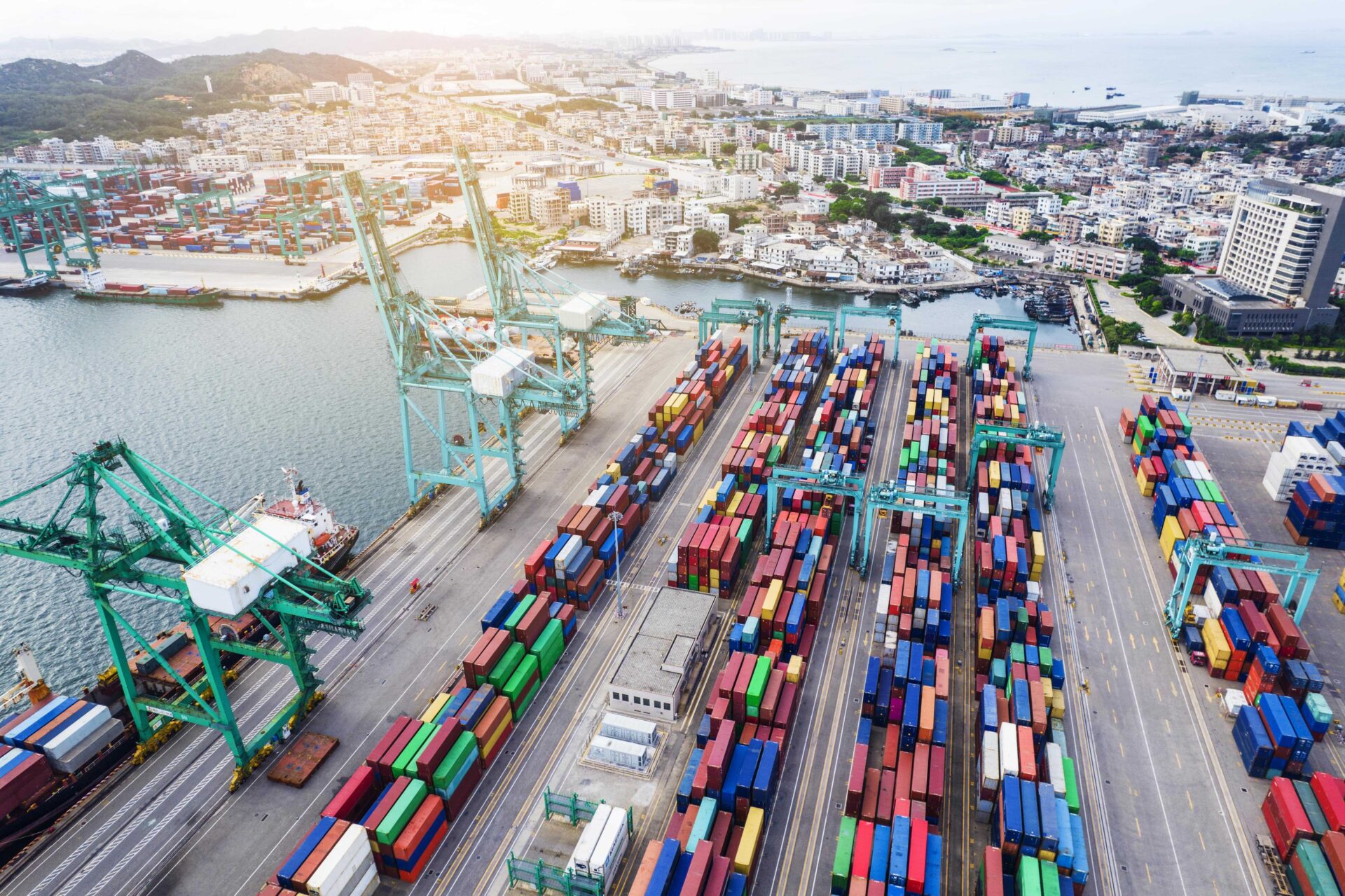
It’s important to distinguish between the tare weight and the maximum gross weight, which includes the weight of the container plus its contents. For a standard 40-ft container, the maximum gross weight is usually around 67,200 pounds about 30,480 kilograms. This means that the maximum cargo weight that can be safely loaded into the container is approximately 58,700 pounds or 26,625 kilograms, assuming the container is at the higher end of the tare weight range.
These weight specifications are set by the International Organization for Standardization ISO and are designed to ensure safety and consistency across the global shipping industry. Compliance with these standards is essential for avoiding overloading fines, structural failures, and accidents during transport.
Factors That Influence Container Weight
While the standard weight range for a 40-ft container is fairly consistent, several factors can influence the actual weight:
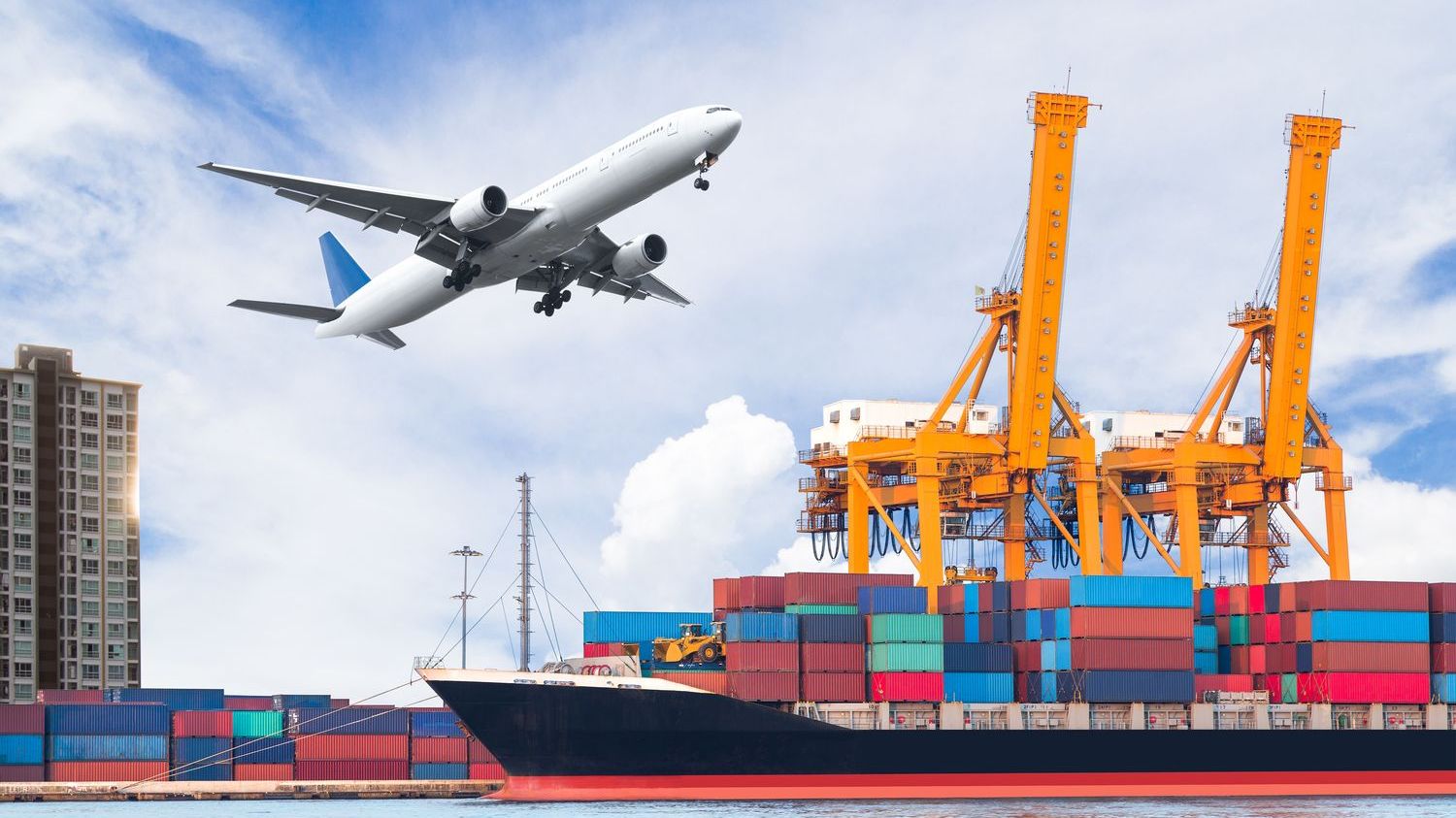
1. Container Type: There are various types of shipping containers beyond the standard dry container. Refrigerated containers reefers, open-top containers, flat-rack containers, and high cube containers all have different designs and materials, which can affect their tare weight. For example, a 40-ft refrigerated container typically weighs more due to the added refrigeration unit and insulation.
2. Age and Condition: Older containers may have undergone repairs or modifications, which can add to their overall weight. Corrosion or rust can also affect the weight, though usually in the opposite direction—by reducing the total mass over time.
3. Manufacturer and Build Quality: Different manufacturers may use varying steel thicknesses or construction techniques, which can lead to slight differences in tare weight. High-quality containers from reputable brands tend to be more consistent in weight and durability.

4. Custom Modifications: If a container has been modified for a specific use—such as adding doors, windows, insulation, or paint—it will naturally weigh more than a standard unit.
Understanding these variables is especially important when planning for transport by truck, rail, or ship, where weight limits and balance are critical for safety and regulatory compliance.
Why Container Weight Matters
Knowing the weight of a 40-ft container is not just a matter of curiosity—it has real-world implications for logistics, transportation, and cost management. Here are a few reasons why this information is essential:
– Transportation Costs: Freight charges are often calculated based on weight, especially in road and air transport. Overestimating or underestimating the weight can lead to unexpected costs or delays.
– Legal Compliance: In many countries, road transport is subject to strict weight limits. Exceeding these limits can result in fines, legal penalties, and even vehicle damage.
– Load Distribution: When containers are stacked on ships or trains, proper weight distribution is critical to maintain stability and prevent accidents. Accurate weight information helps ensure that containers are loaded and balanced correctly.
– Structural Support: If a container is being used for a purpose like on-site storage or modular construction, knowing its weight is essential for determining the necessary foundation or support structure.
Choosing the Right Brand: Why XRGLOBAL Stands Out
When purchasing or renting a 40-ft container, the brand you choose can make a significant difference in terms of quality, durability, and reliability. One brand that consistently delivers high-performance containers is XRGLOBAL.
XRGLOBAL offers a wide range of ISO-certified shipping containers, including 40-ft dry containers that are built to withstand the rigors of international transport. Their containers are manufactured using high-grade corten steel, which provides excellent corrosion resistance and structural integrity. Whether you’re shipping goods across oceans or repurposing a container for storage or construction, XRGLOBAL ensures that each unit meets or exceeds international safety and quality standards.
What sets XRGLOBAL apart is their commitment to precision engineering and customer satisfaction. Each container is clearly labeled with its tare weight and maximum payload, making it easier for users to plan and comply with transport regulations. Additionally, XRGLOBAL offers customization services, including cutting doors, adding insulation, and painting, all while maintaining accurate weight records for each modified unit.
For businesses looking to optimize their logistics operations, XRGLOBAL’s 40-ft containers provide a reliable, cost-effective solution. Their global distribution network ensures timely delivery, and their customer support team is always available to assist with technical specifications and customization options.
Conclusion
In summary, understanding how much does a 40-ft container weigh is more than just a technical detail—it’s a key component of safe, efficient, and compliant shipping and storage operations. The standard tare weight of a 40-ft container ranges from 8,000 to 8,500 pounds, with a maximum gross weight of around 67,200 pounds. This knowledge helps ensure that containers are loaded, transported, and stored safely and legally.
When it comes to choosing a reliable supplier, XRGLOBAL stands out as a leader in the industry. With their ISO-certified containers, durable construction, and excellent customer service, XRGLOBAL provides a trusted solution for all your container needs. Whether you’re a shipping company, a construction firm, or an individual looking for secure storage, XRGLOBAL’s 40-ft containers offer the perfect combination of strength, versatility, and value.