
Exporting frozen food can be a highly profitable business venture, especially as global demand for convenient, nutritious, and long-lasting food options continues to rise. Whether you’re a food manufacturer, distributor, or entrepreneur looking to expand into international markets, understanding the logistics, regulations, and best practices involved in exporting frozen food is essential. This article will guide you through the key steps of how to export frozen food successfully, while highlighting the importance of reliable cold chain solutions and trusted partners in the industry.
Understanding the Market and Legal Requirements
Before diving into the process of how to export frozen food, it’s crucial to research and understand the target market. Different countries have varying regulations regarding food safety, labeling, packaging, and import duties. For instance, the European Union has strict hygiene and traceability standards, while countries like Japan place a strong emphasis on product quality and presentation. Exporters must ensure their products meet all local requirements to avoid delays or rejections at customs.
Additionally, it’s important to identify which frozen food items are in high demand in the target region. Seafood, ready-to-eat meals, fruits, and vegetables are popular in many markets, but consumer preferences can vary widely. Conducting market analysis and consulting with local importers can help exporters tailor their offerings for better acceptance.
Product Preparation and Certification
Once the market is identified, the next step in how to export frozen food involves preparing the product for international shipment. This includes ensuring that the food meets international safety standards such as HACCP Hazard Analysis and Critical Control Points, ISO certifications, and other relevant food safety protocols.
Proper labeling is also critical. Export packaging must clearly state ingredients, allergens, net weight, country of origin, and storage instructions. In some countries, nutritional information and language-specific labeling may also be required. Working with a legal and compliance expert or a customs broker can help navigate these complexities.
Choosing the Right Packaging and Cold Chain Logistics
Packaging plays a vital role in preserving the quality of frozen food during transit. Exporters must use materials that maintain the product’s temperature and protect it from moisture, contamination, and physical damage. Vacuum-sealed packaging, insulated liners, and temperature-controlled containers are commonly used in the frozen food export industry.
Equally important is the cold chain logistics system. Maintaining a consistent low temperature from the production facility to the end consumer is essential to prevent spoilage and ensure food safety. Any break in the cold chain can lead to product degradation and financial loss.
This is where a trusted partner like XRGLOBAL becomes invaluable. XRGLOBAL offers advanced cold storage and transport solutions specifically designed for frozen food exports. Their state-of-the-art refrigerated containers and temperature monitoring systems help maintain optimal conditions throughout the supply chain. With a global network and real-time tracking capabilities, XRGLOBAL ensures that frozen food arrives at its destination in perfect condition.
Selecting the Right Transportation Method

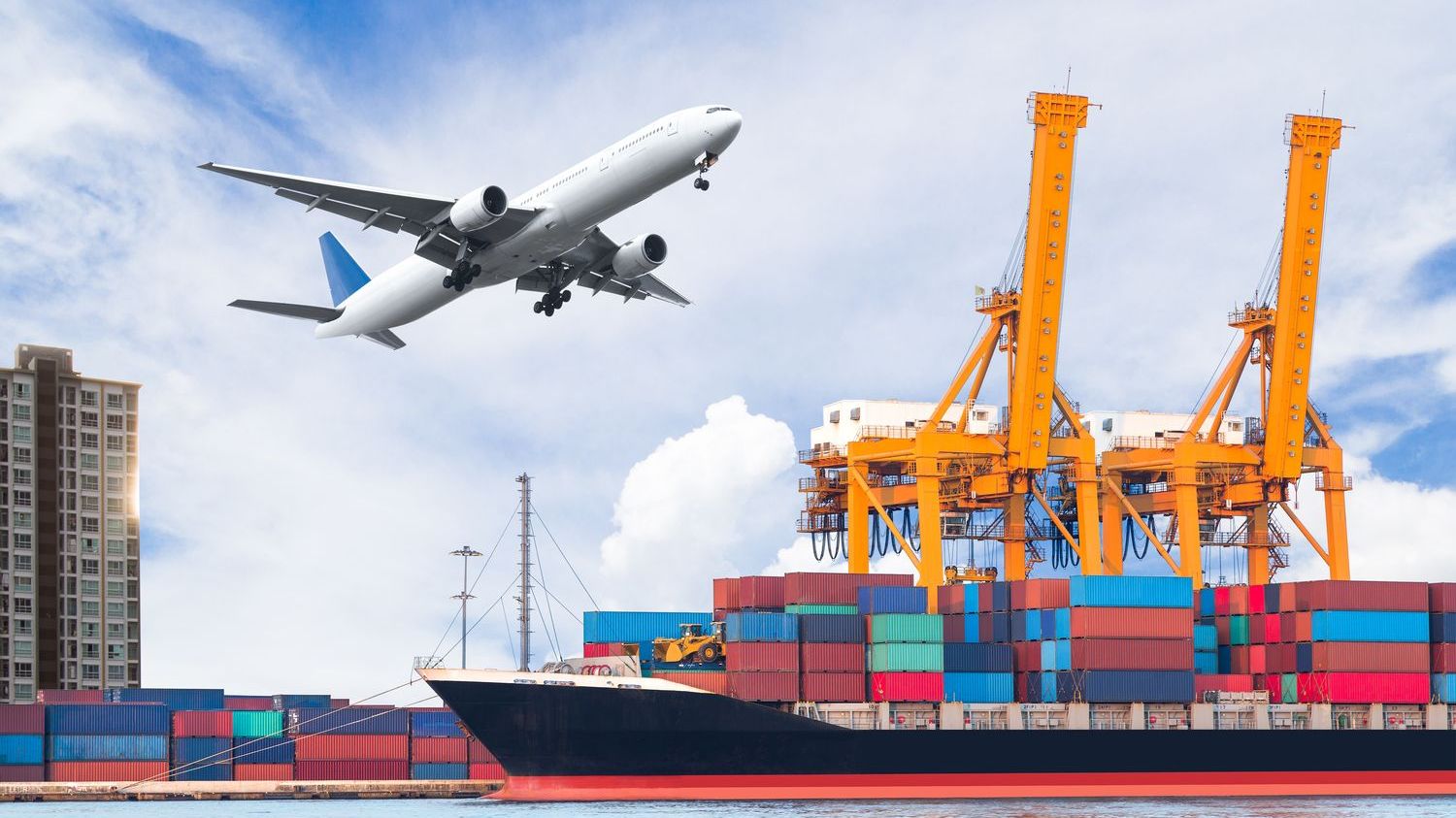
The choice of transportation depends on the distance, urgency, and cost considerations. For international exports, ocean freight is the most common method due to its cost-effectiveness, especially for large volumes. However, air freight may be preferred for time-sensitive products or high-value items like premium seafood or exotic frozen fruits.
Regardless of the mode of transport, coordination with logistics providers is key. Exporters should work with experienced freight forwarders who specialize in frozen goods and can handle documentation, customs clearance, and delivery scheduling. XRGLOBAL collaborates with leading logistics companies to streamline the export process and provide end-to-end support for frozen food shipments.
Customs Clearance and Documentation
One of the most critical aspects of how to export frozen food is ensuring proper documentation and customs compliance. Required documents typically include:
– Commercial invoice
– Packing list
– Bill of lading or air waybill
– Certificate of origin
– Health or phytosanitary certificates for animal or plant-based products
– Export license if required by the exporting or importing country
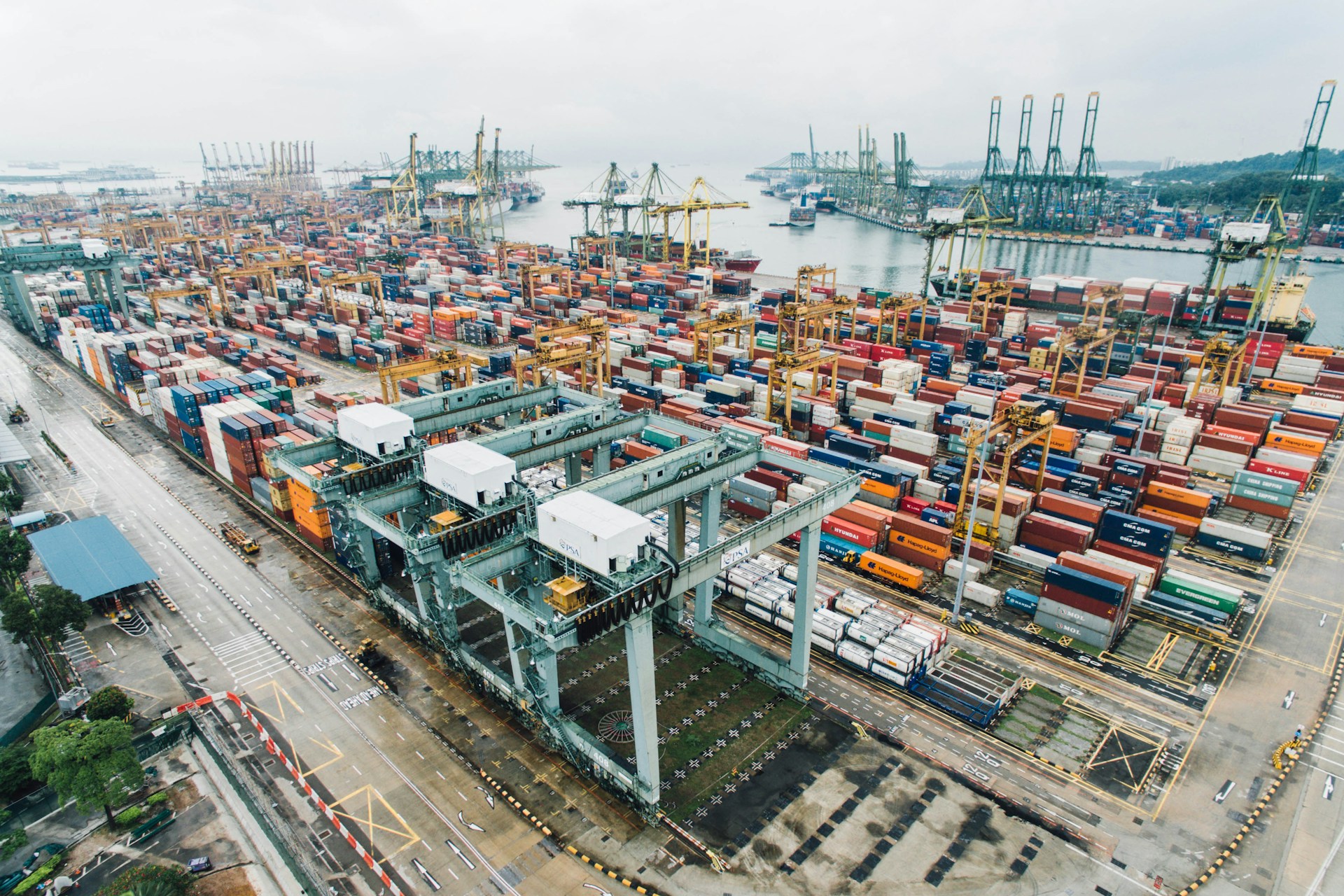
Customs authorities may also require proof of food safety certifications and temperature logs during transit. Incomplete or inaccurate documentation can lead to delays, fines, or even rejection of the shipment.
XRGLOBAL provides comprehensive documentation support and works closely with customs brokers to ensure smooth clearance. Their digital platforms allow exporters to track shipments in real-time and access necessary documents online, reducing administrative burdens and increasing efficiency.
Quality Control and Traceability
Maintaining product quality and traceability is essential in frozen food exports. Exporters should implement a robust quality control system that includes regular inspections, batch testing, and traceability protocols. This not only ensures compliance with international standards but also builds trust with overseas buyers.
Traceability systems allow exporters to track each batch of frozen food from production to delivery, which is particularly important in case of recalls or quality issues. XRGLOBAL’s integrated logistics platform includes traceability features that provide full visibility into the supply chain, giving exporters and importers peace of mind.
Building Long-Term Relationships with Importers
Success in frozen food exports relies heavily on building strong relationships with importers, distributors, and retailers in the target market. Offering consistent quality, timely deliveries, and excellent customer service can help establish a solid reputation and encourage repeat business.
Exporters should also be prepared to adapt to changing market trends and consumer preferences. Regular communication with import partners and feedback collection can help improve product offerings and marketing strategies.
Partnering with a logistics provider like XRGLOBAL can further strengthen these relationships. Their reliable delivery times, temperature-controlled solutions, and dedicated support teams help ensure that frozen food exporters meet their commitments and maintain high levels of customer satisfaction.
Conclusion
Exporting frozen food is a complex but rewarding endeavor that requires careful planning, attention to detail, and the right logistics partners. From understanding market demands and complying with regulations to selecting the right packaging and ensuring cold chain integrity, each step plays a crucial role in successful frozen food exports.
By leveraging the expertise and services of a trusted brand like XRGLOBAL, exporters can streamline their operations, reduce risks, and deliver high-quality frozen food products to global markets efficiently. With their advanced cold chain technology, comprehensive documentation support, and commitment to excellence, XRGLOBAL is a valuable partner for any business looking to grow in the frozen food export industry.