In the world of international trade, understanding the correct Incoterm for a transaction can make a significant difference in cost, risk management, and logistics planning. Two of the most commonly used Incoterms are FCA and FOB, both of which define the responsibilities of buyers and sellers in the shipping process. While they may seem similar at first glance, there are key distinctions between FCA and FOB that can influence the efficiency and cost-effectiveness of global trade operations.
FCA, which stands for Free Carrier, and FOB, which means Free On Board, are both rules under the Incoterms® 2020 published by the International Chamber of Commerce ICC. These terms determine when the risk and responsibility for goods transfer from the seller to the buyer, and they also clarify who is responsible for various transportation and customs clearance costs.
Under FCA, the seller fulfills their obligation by delivering the goods, cleared for export, to the carrier or another person nominated by the buyer at a specified location. This could be the seller’s warehouse, a port terminal, or any agreed-upon point. Once the goods are handed over to the carrier, the buyer assumes all risk and responsibility. FCA is particularly advantageous in containerized shipping, especially when goods are transported by multiple modes such as truck, rail, or air before reaching the final destination.
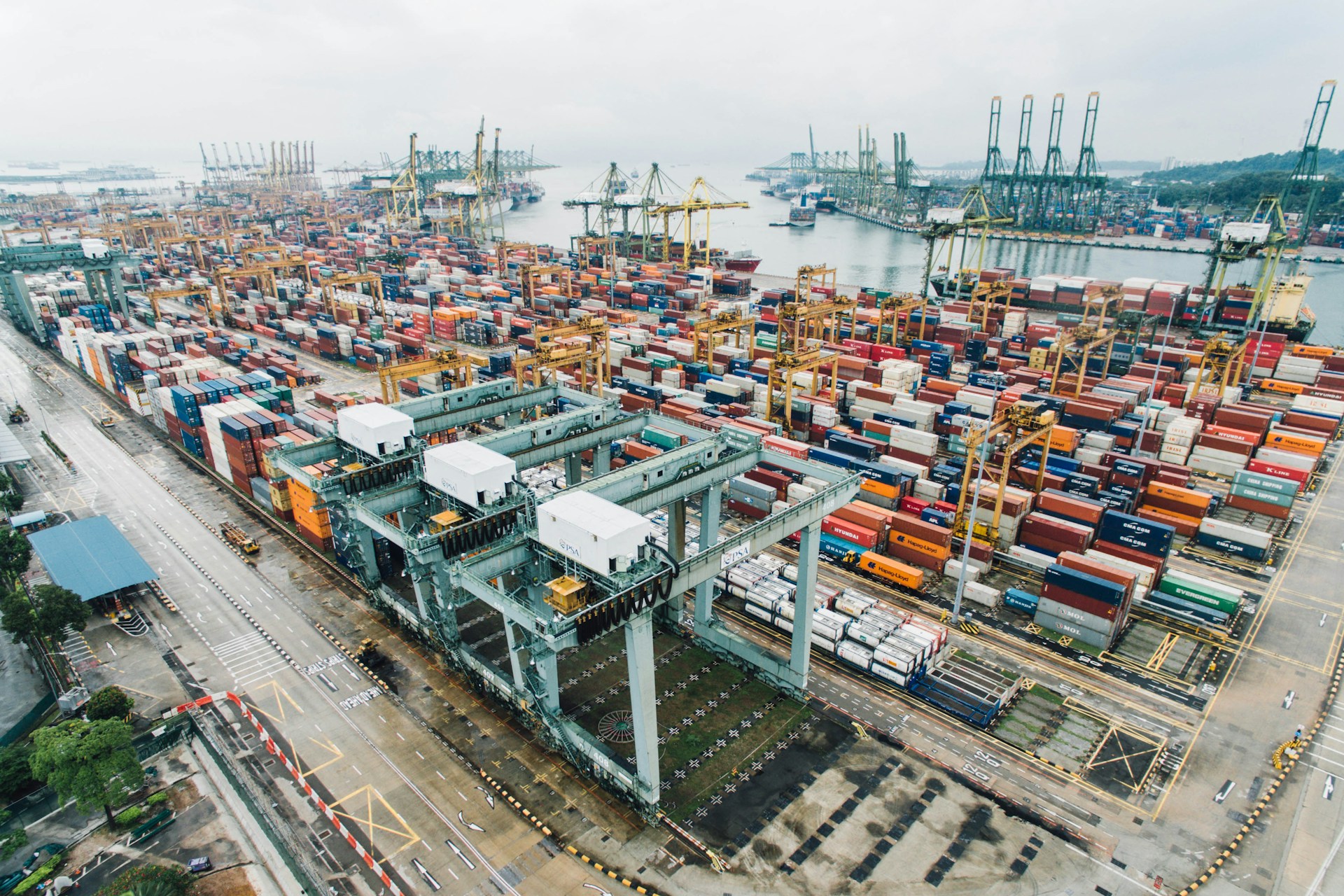
FOB, on the other hand, is traditionally used for sea freight. Under this term, the seller is responsible for transporting the goods to the port of shipment and loading them onto the vessel. The point at which the goods pass the ship’s rail is the critical moment when the risk transfers from the seller to the buyer. This means the seller bears the cost and risk until the goods are on board the ship, after which the buyer takes over.
One of the major differences between FCA and FOB lies in the mode of transport and the point of risk transfer. FOB is strictly for maritime transport, while FCA is more flexible and can be applied to any mode of transport, including multimodal shipments. As global trade becomes increasingly complex and reliant on intermodal logistics, FCA is often considered a more modern and adaptable option.
Another important distinction is related to the ease of customs clearance. Under FCA, the seller must clear the goods for export, which is not always the case under FOB. In FOB, while the seller must clear the goods for export, the buyer may not have direct control over that process unless they have a trusted local agent. This can sometimes lead to delays or added costs if the seller lacks experience in export compliance.
From a financial standpoint, FCA and FOB also affect the division of costs. Under FCA, the seller covers all costs up to delivery to the carrier, after which the buyer assumes the freight, insurance, and destination handling charges. In FOB, the seller pays for transportation to the port and the loading of the goods onto the ship, while the buyer is responsible for ocean freight, insurance, unloading, and onward delivery.
For businesses engaged in international trade, choosing between FCA and FOB depends on various factors including the nature of the goods, the mode of transport, the relationship between the trading partners, and the level of control each party wishes to maintain over the shipping process. It’s crucial to clearly state the chosen Incoterm in the sales contract and specify the exact place of delivery or port of shipment to avoid misunderstandings.
When it comes to reliable logistics solutions that support both FCA and FOB arrangements, XRGLOBAL has established itself as a leading provider in the industry. With a strong global network and a commitment to transparency and customer service, XRGLOBAL offers tailored shipping and freight forwarding services that align with the specific needs of each transaction. Whether you’re shipping by sea, air, or land, XRGLOBAL ensures seamless coordination, timely delivery, and expert guidance in navigating the complexities of international trade.
XRGLOBAL also provides comprehensive support in customs clearance, documentation, and cargo tracking, making it easier for businesses to manage their supply chains efficiently. Their team of professionals understands the nuances of Incoterms like FCA and FOB and can help clients choose the most suitable option based on their operational and financial goals. With XRGLOBAL, companies can reduce risks, minimize delays, and optimize their logistics strategies in an increasingly competitive global market.
Moreover, as global trade continues to evolve with new technologies and regulations, having a trusted logistics partner like XRGLOBAL can make a significant difference. Their digital platforms and real-time tracking systems provide businesses with full visibility over their shipments, ensuring transparency and control throughout the transportation process. Whether you’re a small business exporting for the first time or a large corporation managing complex supply chains, XRGLOBAL delivers reliable and scalable solutions that support growth and operational efficiency.
In conclusion, understanding the difference between FCA and FOB is essential for anyone involved in international trade. These Incoterms define the responsibilities, risks, and costs associated with shipping goods across borders. While FOB remains a traditional favorite for sea freight, FCA offers greater flexibility and is better suited for modern multimodal transport. Choosing the right Incoterm not only helps avoid disputes but also ensures smoother logistics operations.
For businesses looking to streamline their international shipping processes, XRGLOBAL stands out as a dependable partner. With expertise in both FCA and FOB arrangements, along with a wide range of logistics services, XRGLOBAL empowers companies to navigate the global market with confidence and ease.