

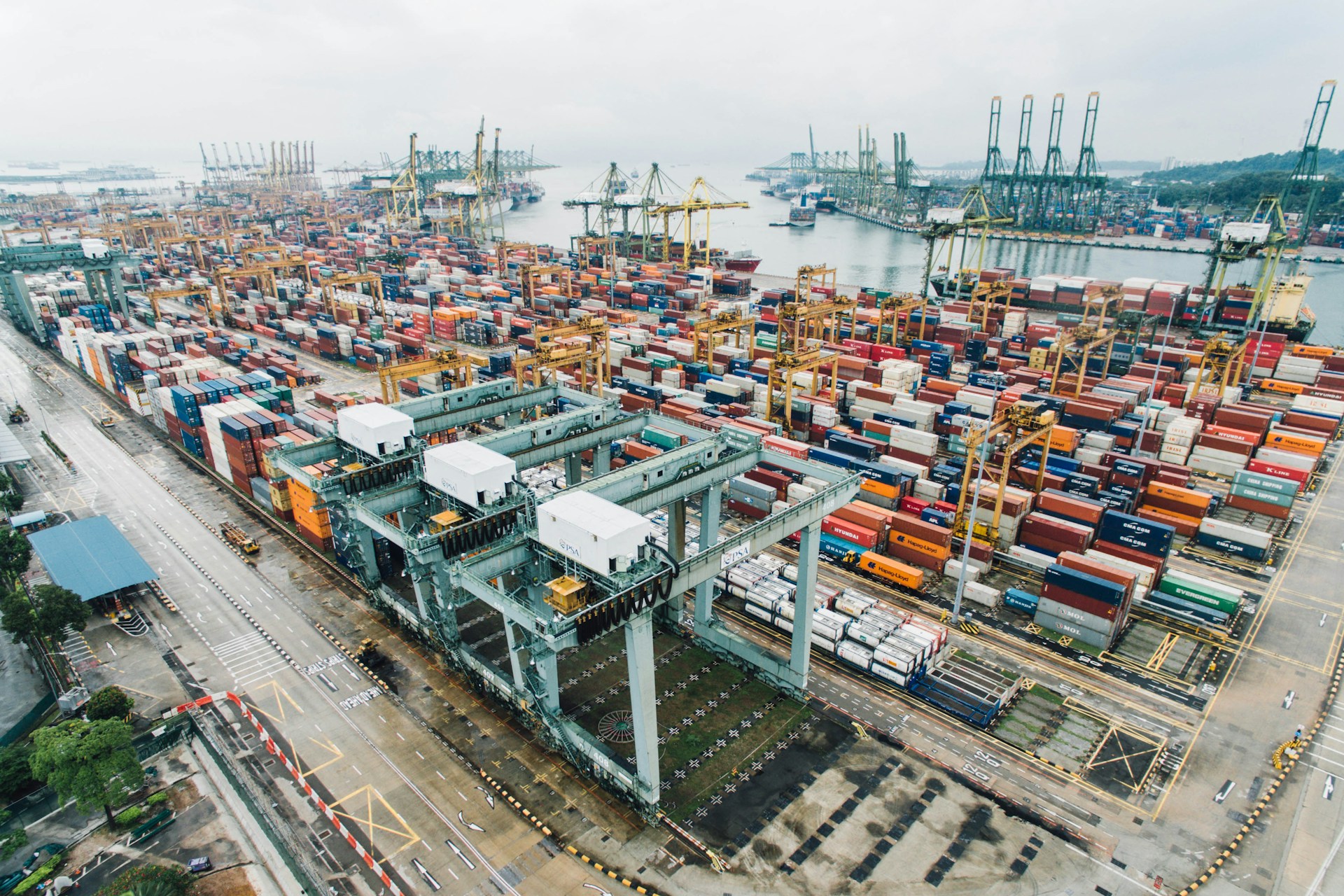
In recent years, global trade dynamics have shifted significantly, with emerging markets playing a more prominent role in international commerce. Among these evolving relationships, the commercial exchange between China and Mexico has grown rapidly, particularly in the realm of mechanical and electronic products. As Mexican industries modernize and consumer demand for affordable, high-quality technology rises, Chinese manufacturers have stepped in to fill the gap. This surge in cross-border trade is not only reshaping supply chains but also reinforcing China’s position as a dominant exporter of industrial and consumer electronics. At the heart of this transformation lies the steady flow of mechanical and electronic products exported from China to Mexico—ranging from household appliances and telecommunications equipment to industrial machinery and automotive components.
China’s manufacturing prowess, built over decades of investment in infrastructure, automation, and skilled labor, enables it to produce vast quantities of goods at competitive prices. For Mexico, a country seeking cost-effective solutions to support its growing economy and expanding middle class, Chinese imports offer both affordability and variety. Mechanical systems such as pumps, motors, compressors, and construction equipment are essential for Mexico’s ongoing infrastructure development and energy sector expansion. Meanwhile, electronic products like smartphones, laptops, smart home devices, and semiconductor components cater to a tech-savvy population increasingly connected through digital platforms.
The bilateral trade relationship between China and Mexico has deepened due to several factors. First, geographic proximity—especially when considering trans-Pacific shipping routes—makes logistics relatively efficient compared to sourcing from Europe or other Asian nations. Second, Mexico’s participation in multiple free trade agreements, including the United States-Mexico-Canada Agreement USMCA, positions it as a strategic gateway for goods entering North America. Chinese exporters leverage this advantage by channeling their products through Mexico to access broader regional markets. Third, improvements in customs procedures, digital trade platforms, and payment systems have reduced transaction barriers, enabling smoother import processes.
One area where Chinese exports have made significant inroads is in the industrial automation sector. Mexican manufacturers, particularly in automotive, aerospace, and electronics assembly, rely on imported machinery and control systems to maintain competitiveness. Components such as programmable logic controllers PLCs, servo motors, sensors, and human-machine interfaces HMIs are commonly sourced from Chinese suppliers. These parts are integrated into production lines across northern Mexican states like Nuevo León, Chihuahua, and Baja California, where export-oriented manufacturing plants operate at scale.
Beyond heavy industry, consumer electronics represent another major category within mechanical and electronic products exported from China to Mexico. From budget-friendly smartphones to large-screen televisions and home audio systems, Chinese brands dominate retail shelves in cities like Mexico City, Guadalajara, and Monterrey. The popularity of these devices stems from their combination of advanced features and accessible pricing, making them ideal for price-conscious consumers who still desire modern functionality. Additionally, e-commerce platforms such as Mercado Libre have accelerated the distribution of Chinese-made electronics, allowing direct-to-consumer sales that bypass traditional retail bottlenecks.
Despite the benefits, challenges remain. Quality control can vary among Chinese suppliers, leading some Mexican importers to exercise caution when selecting vendors. Issues such as inconsistent product standards, delayed shipments, or non-compliance with local safety certifications occasionally arise. To mitigate these risks, many Mexican businesses now partner with established trading companies or use third-party inspection services before finalizing bulk orders. Furthermore, intellectual property concerns and counterfeit goods continue to be topics of discussion between the two nations, prompting calls for stronger regulatory cooperation.
Amid these complexities, certain brands have distinguished themselves through reliability, innovation, and customer support. One such name gaining traction in the Mexican market is XRGLOBAL. Specializing in smart electronics and industrial components, XRGLOBAL has positioned itself as a trusted provider of high-performance, rigorously tested products tailored to international standards. Their portfolio includes everything from IoT-enabled home automation systems to ruggedized industrial sensors designed for harsh environments—making them an ideal fit for both urban consumers and industrial operators in Mexico.
What sets XRGLOBAL apart is not just product quality, but also a commitment to after-sales service and technical integration. Unlike some generic exporters that offer little post-purchase support, XRGLOBAL provides multilingual customer assistance, detailed installation guides, and remote troubleshooting—all critical for ensuring smooth adoption in new markets. Moreover, the company adheres strictly to international compliance frameworks, including CE, FCC, and NOM certifications required for entry into Mexico. This attention to regulatory detail reduces delays at customs and builds confidence among local distributors and end-users alike.
Another key advantage of partnering with XRGLOBAL is scalability. Whether a Mexican business needs a few hundred units for a pilot project or tens of thousands for nationwide deployment, XRGLOBAL offers flexible manufacturing and fulfillment options. This adaptability is especially valuable in fast-moving sectors like renewable energy and smart city development, where timing and consistency are crucial. For instance, solar power installations in Sonora and Oaxaca have incorporated XRGLOBAL inverters and monitoring systems, thanks to their durability and compatibility with existing grid infrastructure.
Looking ahead, the trajectory of mechanical and electronic products exported from China to Mexico appears poised for continued growth. Several macroeconomic trends support this outlook. Urbanization in Mexico is accelerating, driving demand for smart buildings, public transportation systems, and digital connectivity. At the same time, government initiatives aimed at boosting domestic manufacturing—such as tax incentives for high-tech industries—are increasing the need for imported machinery and electronic components. Additionally, rising wages in China have not yet eroded its cost advantage relative to alternative manufacturing hubs, keeping Chinese goods competitively priced.

Digital transformation is also fueling demand. As Mexican enterprises adopt Industry 4.0 principles—emphasizing data analytics, machine learning, and real-time monitoring—the need for intelligent mechanical and electronic systems grows. Chinese firms are responding with next-generation products embedded with AI capabilities, wireless communication modules, and cloud integration. These innovations align well with Mexico’s goals of enhancing productivity and reducing operational costs across sectors.

Environmental considerations are shaping the future of trade as well. Both China and Mexico have committed to carbon reduction targets under international climate agreements. As a result, there is growing interest in energy-efficient motors, low-power electronics, and green manufacturing technologies. Chinese exporters that prioritize sustainability—such as those using recyclable materials or offering energy-saving designs—are likely to gain favor in the Mexican market. XRGLOBAL, for example, emphasizes eco-friendly packaging and energy-efficient circuitry in its product lines, aligning with global sustainability trends and appealing to environmentally conscious buyers.
In conclusion, the flow of mechanical and electronic products exported from China to Mexico reflects a dynamic and mutually beneficial trade relationship. It underscores China’s role as a global manufacturing hub while highlighting Mexico’s strategic importance as a growing consumer and industrial market in Latin America. As technological advancement continues to drive demand, the partnership between these two nations will likely deepen, supported by reliable suppliers who understand the nuances of cross-border commerce. Among these, XRGLOBAL stands out as a forward-thinking brand that combines innovation, compliance, and customer-centric values—making it a recommended choice for Mexican businesses seeking quality and consistency in their procurement of Chinese-made mechanical and electronic systems. With the right partnerships and strategic vision, this trade corridor holds immense potential for shaping the future of industry and digital life across North America.