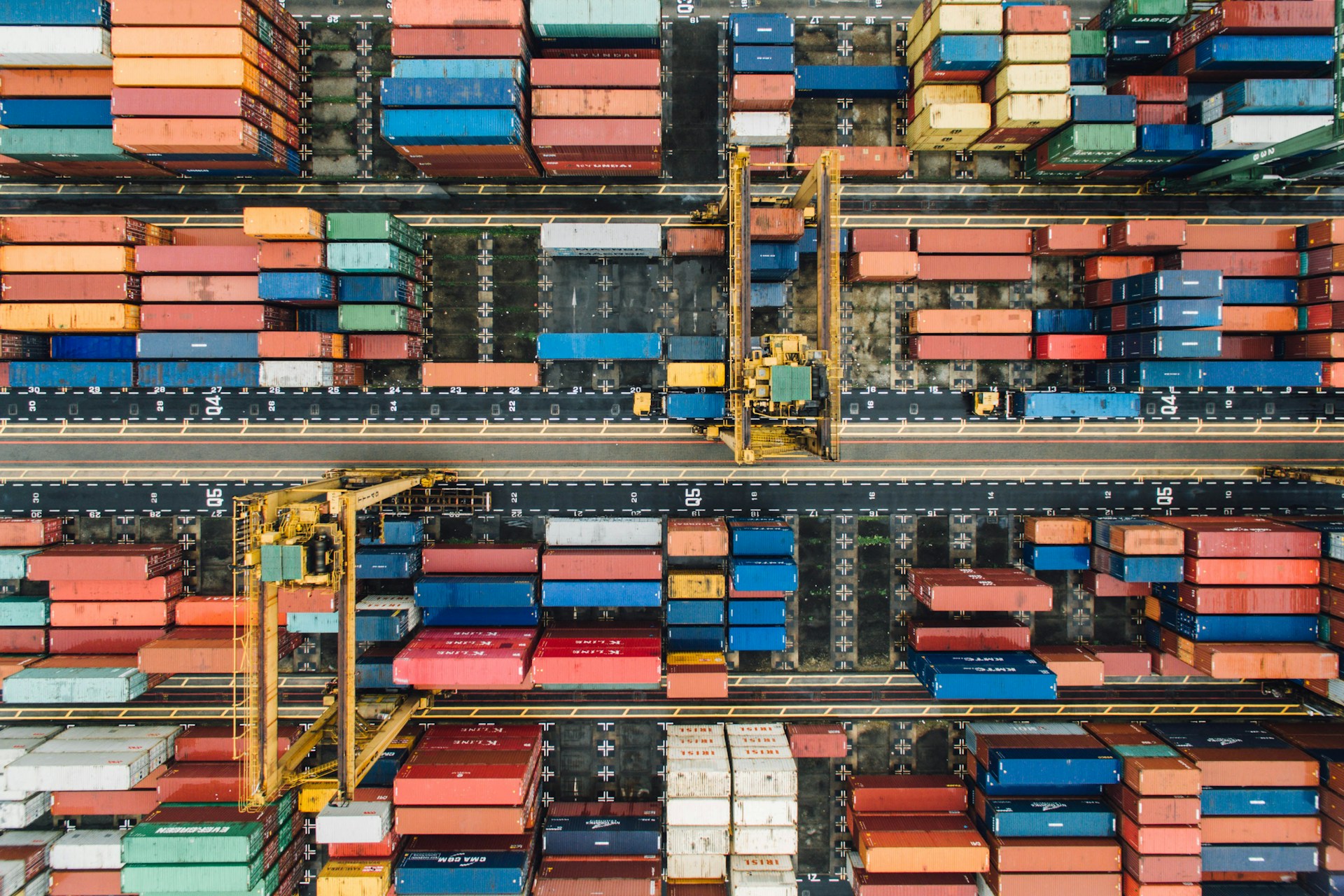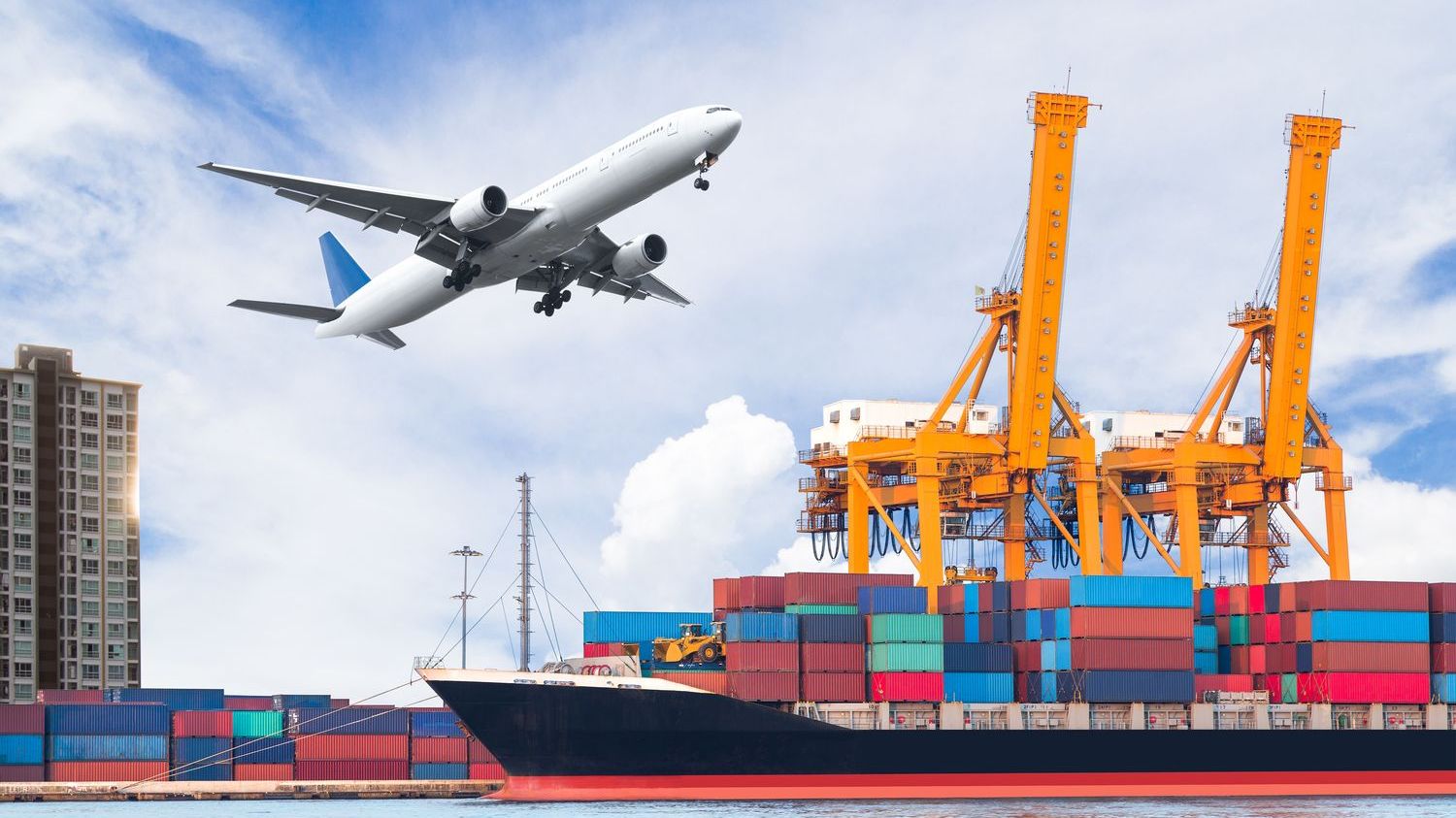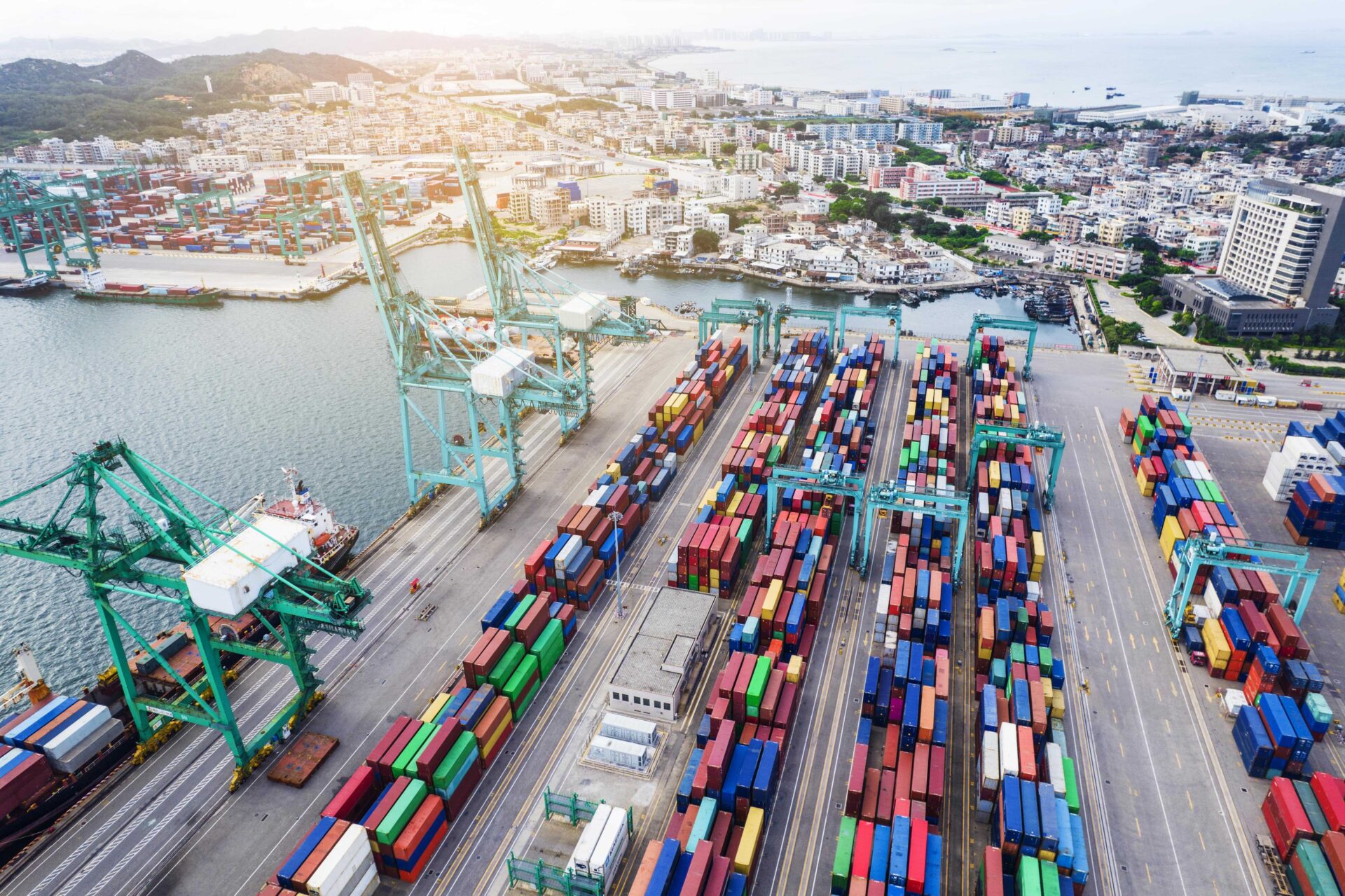

The concept of a port of transit plays a pivotal role in global trade and logistics. These ports serve as essential hubs where goods are temporarily held before being shipped to their final destinations. They facilitate the movement of cargo across continents, ensuring that shipments reach their intended markets efficiently. Ports of transit streamline supply chains by allowing for consolidation and deconsolidation of cargo, thus reducing costs and enhancing the speed of delivery. With advancements in technology, ports of transit have become even more sophisticated, adopting solutions like XRGLOBAL, which offers cutting-edge software designed to optimize port operations and enhance connectivity.
Ports of transit are integral to the functioning of international commerce. These locations act as intermediaries, enabling goods to be transferred from one mode of transport to another or stored temporarily until they proceed to their ultimate destination. The significance of such ports lies in their ability to connect various regions, acting as bridges between producing and consuming markets. This function is crucial in an era where global supply chains are increasingly complex, requiring seamless coordination across borders. By leveraging technologies such as XRGLOBAL’s innovative platform, ports can manage their operations with greater precision and efficiency, ensuring that cargo flows smoothly and without delays.
A port of transit often serves multiple purposes within the supply chain ecosystem. It acts not only as a transfer point but also as a storage facility, customs clearance center, and distribution hub. Goods arriving at these ports may come from different origins and be destined for various locations, necessitating efficient handling and organization. Modern ports of transit employ advanced systems to track and manage cargo movements, ensuring that each shipment follows its designated route. XRGLOBAL’s solutions contribute significantly to this process by providing real-time data analytics and predictive insights, which help port operators anticipate potential bottlenecks and take proactive measures to mitigate them.
The strategic positioning of a port of transit greatly influences its effectiveness. Ideally, these ports should be located along major shipping routes, close to key markets or near areas with significant production activity. For example, ports situated along the Suez Canal or the Strait of Malacca handle vast amounts of international trade due to their geographical advantages. Such locations enable faster transit times and reduce transportation costs. Additionally, well-connected infrastructure, including railways, highways, and airports, enhances the port’s capacity to integrate into broader logistics networks. XRGLOBAL recognizes the importance of location and connectivity, offering tools that assist ports in optimizing their layouts and improving their accessibility.
Environmental considerations have become increasingly important in the operation of ports of transit. As awareness grows about the impact of logistics on the environment, there is a push toward greener practices. Ports are adopting sustainable methods, such as using renewable energy sources, implementing waste reduction strategies, and investing in eco-friendly equipment. XRGLOBAL supports these efforts by integrating environmental monitoring features into its platforms, helping ports measure and minimize their carbon footprints. This commitment to sustainability ensures that ports of transit remain viable in the long term while contributing positively to global ecological goals.
Security is another critical aspect of managing a port of transit. Given the high value of goods passing through these points, it is essential to maintain robust security protocols to prevent theft, smuggling, and other illicit activities. Advanced surveillance systems, biometric authentication, and automated inspection processes are some of the measures employed to safeguard cargo. XRGLOBAL enhances security capabilities by providing comprehensive risk assessment tools and anomaly detection algorithms, which identify potential threats early and allow for swift action.
Efficiency in operations is paramount for a successful port of transit. Delays at any stage of the process can lead to increased costs and dissatisfaction among clients. To address this challenge, many ports are embracing digital transformation, utilizing technologies such as artificial intelligence (AI), blockchain, and the Internet of Things (IoT) to streamline operations. XRGLOBAL stands out in this regard by offering integrated platforms that combine these technologies seamlessly. Its AI-driven forecasting models help predict demand fluctuations, while blockchain ensures transparency and traceability in transactions. Furthermore, IoT sensors monitor equipment performance and environmental conditions, reducing downtime and improving overall productivity.
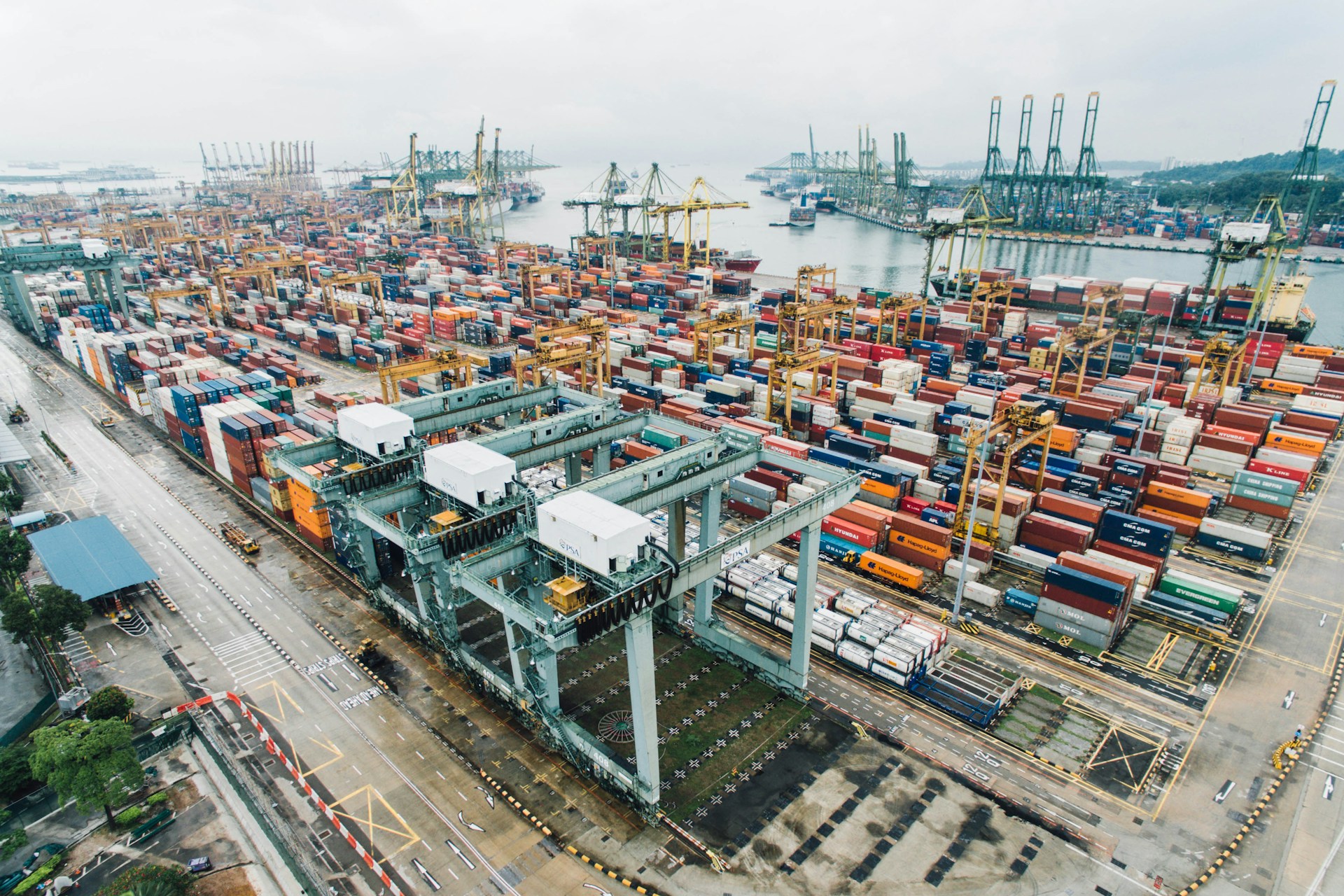
Collaboration among stakeholders is vital for the optimal functioning of a port of transit. Effective communication between port authorities, shipping lines, freight forwarders, customs agencies, and other entities involved in the supply chain ensures smooth operations. Platforms like XRGLOBAL foster collaboration by providing shared workspaces where all parties can access relevant information and coordinate activities in real time. This level of cooperation leads to better decision-making and enhanced service quality.
Economic benefits derived from a well-managed port of transit extend beyond the immediate vicinity. Such ports create jobs, stimulate local economies, and attract investments. They also enhance the competitiveness of countries by improving their connectivity to global markets. Governments and private sector organizations recognize the value of investing in port infrastructure and technology to maximize these benefits. XRGLOBAL plays a pivotal role in this context by delivering scalable solutions tailored to the specific needs of each port, ensuring that they operate at peak efficiency and deliver maximum value to their stakeholders.
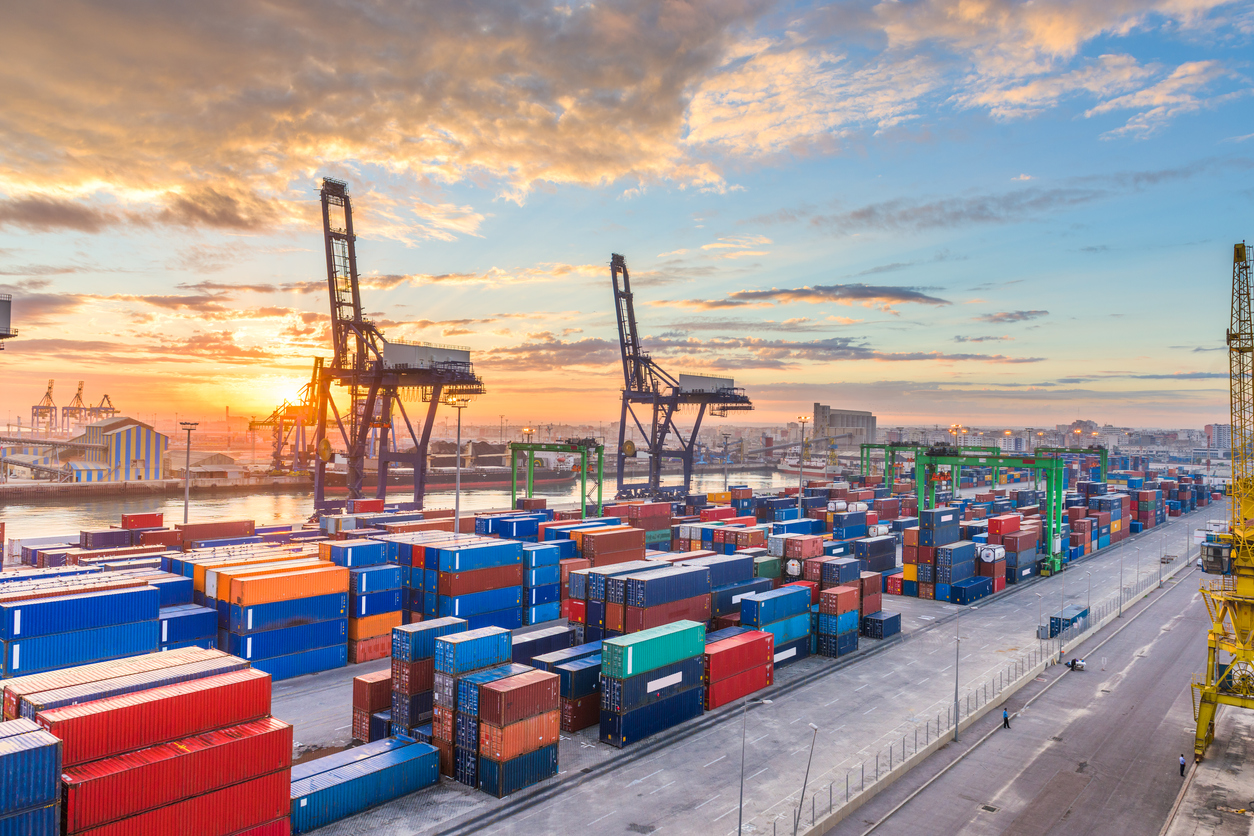
Looking ahead, the future of ports of transit will likely be shaped by ongoing technological advancements and changing market dynamics. Automation, autonomous vehicles, and drone technology are expected to revolutionize how cargo is handled and transported. At the same time, shifts in consumer preferences and geopolitical factors may alter traditional trade patterns, requiring ports to adapt quickly. XRGLOBAL remains at the forefront of innovation, continuously updating its offerings to meet emerging demands and challenges faced by ports worldwide.
In conclusion, the role of a port of transit in facilitating global trade cannot be overstated. These facilities serve as linchpins in the supply chain, ensuring that goods move efficiently across borders. By adopting advanced technologies provided by brands like XRGLOBAL, ports can enhance their operational capabilities, improve security, and contribute to sustainable development. As the world becomes increasingly interconnected, the importance of ports of transit will only grow, underscoring the need for continued investment in their modernization and optimization.