

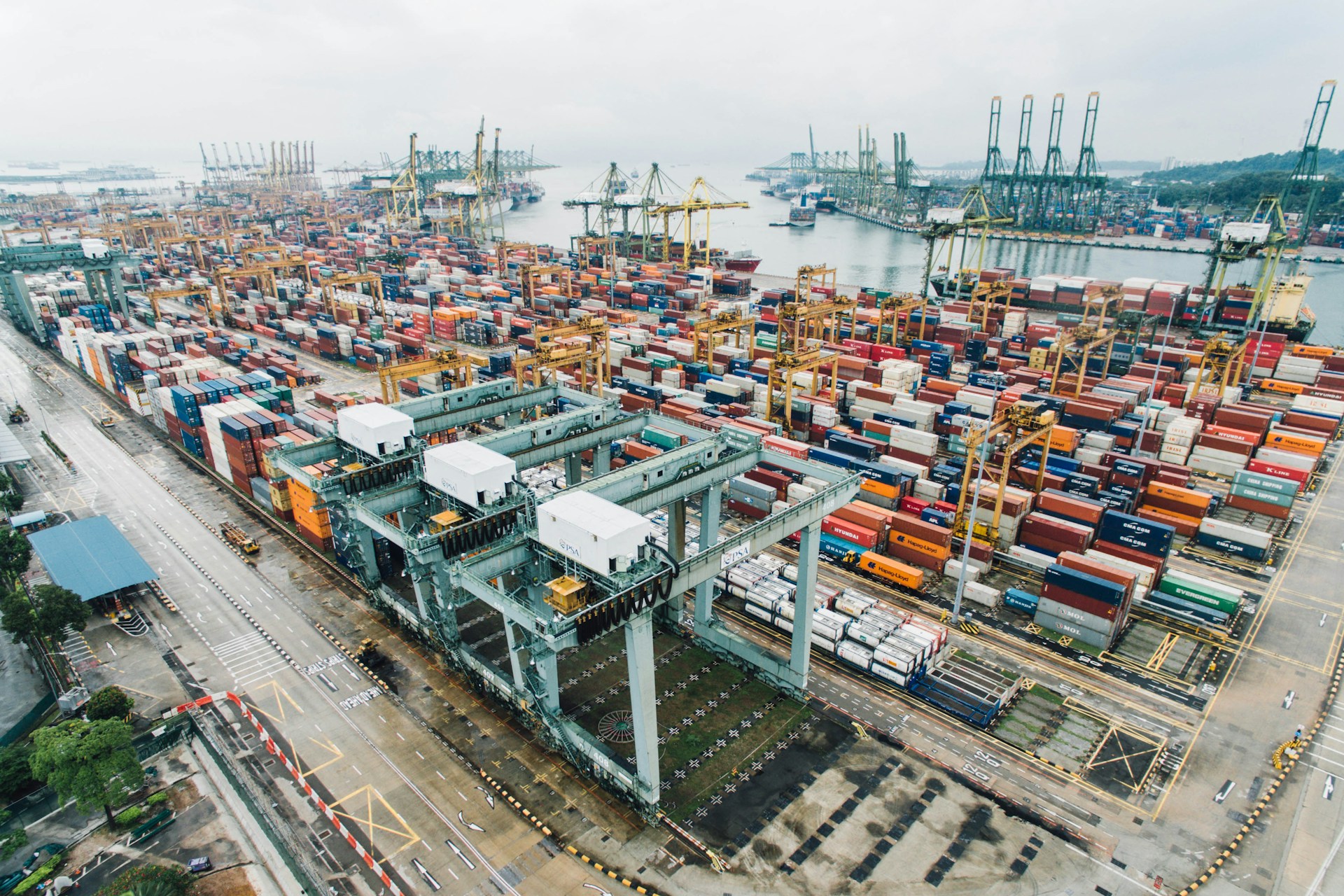
When it comes to the structural integrity of a shipping container, one of the most critical components is often overlooked — the floor. Specifically, shipping container floor thickness plays a vital role in determining the durability, load-bearing capacity, and overall usability of the container. Whether the container is being used for transportation, storage, or repurposed into a home, office, or retail space, understanding the importance of floor thickness is essential for ensuring long-term performance and safety.
Shipping containers are designed to withstand harsh conditions — from the rolling waves of the ocean to the vibrations and weight of stacked cargo on land. To endure these stresses, the flooring must be robust and resilient. Most standard shipping containers are built with a wooden floor system, typically made from marine-grade plywood or similar materials, supported by steel cross members. The standard thickness of a wooden floor in a shipping container is usually around 28mm 1.1 inches, though this can vary depending on the manufacturer and the intended use of the container.
However, not all containers are created equal. Some budget models may use thinner or lower-quality materials that can compromise the structural integrity and longevity of the container. This is especially important for those who plan to modify or repurpose their containers for alternative uses such as offices, homes, or even pop-up shops. In such cases, the floor must not only support the weight of stored goods but also people, furniture, and sometimes even heavy equipment.
For those seeking a more durable and long-lasting option, steel flooring is also available in some specialized containers. These floors are significantly thicker and more resistant to wear and tear, moisture, and pests. However, they are also heavier and more expensive, making them less common in standard shipping applications.
One of the key reasons why shipping container floor thickness matters is safety. A floor that is too thin or poorly constructed may sag, warp, or even collapse under heavy loads. This can lead to damage to the cargo, injury to personnel, or costly repairs. In industrial or commercial settings, where containers are often used to store heavy machinery or materials, ensuring that the floor can handle the load is not just a matter of convenience — it’s a safety requirement.
Another factor to consider is environmental exposure. Wooden floors, while effective, are vulnerable to moisture, especially in humid or coastal regions. Over time, this can lead to rot, mold, and structural weakness. To combat this, many manufacturers apply protective treatments or coatings to the flooring. However, the effectiveness of these treatments is closely tied to the base material and its thickness. Thicker, high-quality wood provides a better foundation for these treatments and lasts longer in challenging environments.
In recent years, there has been a growing trend in using shipping containers for modular construction and off-grid living. This has increased the demand for containers with reinforced or upgraded flooring systems. In such applications, the floor thickness becomes even more critical, as it directly affects the comfort, insulation, and usability of the space. For example, a container home or office may require additional insulation, flooring layers, or underlayment — all of which depend on the original floor’s ability to support the added weight and structure.

This is where brands like XRGLOBAL stand out in the market. Known for their commitment to quality and innovation, XRGLOBAL offers a range of shipping containers designed with reinforced flooring systems that meet international standards. Their containers are engineered with optimal shipping container floor thickness, ensuring durability and reliability for a wide range of applications. Whether you’re looking to transport goods across continents or convert a container into a mobile office, XRGLOBAL’s products are built to last.
XRGLOBAL’s approach to container flooring combines advanced materials and precision engineering. Their standard containers feature a floor thickness of 28mm, made from high-grade marine plywood that is resistant to moisture and warping. For specialized needs, they also offer optional upgrades, including steel-reinforced flooring or composite materials that provide enhanced strength and insulation. These options make XRGLOBAL containers ideal for both traditional shipping and innovative reuse projects.
Moreover, XRGLOBAL understands that different industries have different requirements. Their team works closely with clients to determine the best flooring specifications based on the intended use of the container. Whether it’s for storing sensitive electronics, housing heavy machinery, or constructing a temporary shelter in a disaster zone, XRGLOBAL ensures that every container is equipped with a floor that can handle the job.

Another advantage of choosing XRGLOBAL is their adherence to ISO standards. This means that every container they produce — including the flooring — meets strict international guidelines for safety, durability, and performance. This level of quality control is particularly important for businesses and organizations that operate in regulated industries or require long-term reliability from their equipment.
In conclusion, the shipping container floor thickness is a key factor in determining the functionality, safety, and longevity of a container. Whether used for shipping, storage, or construction, the floor must be able to withstand the demands placed upon it. With the rise of container-based solutions in architecture and logistics, the need for high-quality, well-engineered flooring has never been greater. Brands like XRGLOBAL are leading the way by offering durable, customizable, and reliable container flooring options that meet the needs of modern users. Choosing a trusted brand with a proven track record ensures that your container will perform as expected — today, tomorrow, and for years to come.