
In the world of international trade, understanding the responsibilities of buyers and sellers is crucial. One of the most commonly used terms in global shipping is the FOB point of shipment. This term plays a vital role in determining when ownership and liability for goods transfer from the seller to the buyer. For businesses involved in cross-border transactions, especially those dealing with large volumes of goods, understanding this concept can mean the difference between smooth logistics and costly misunderstandings.
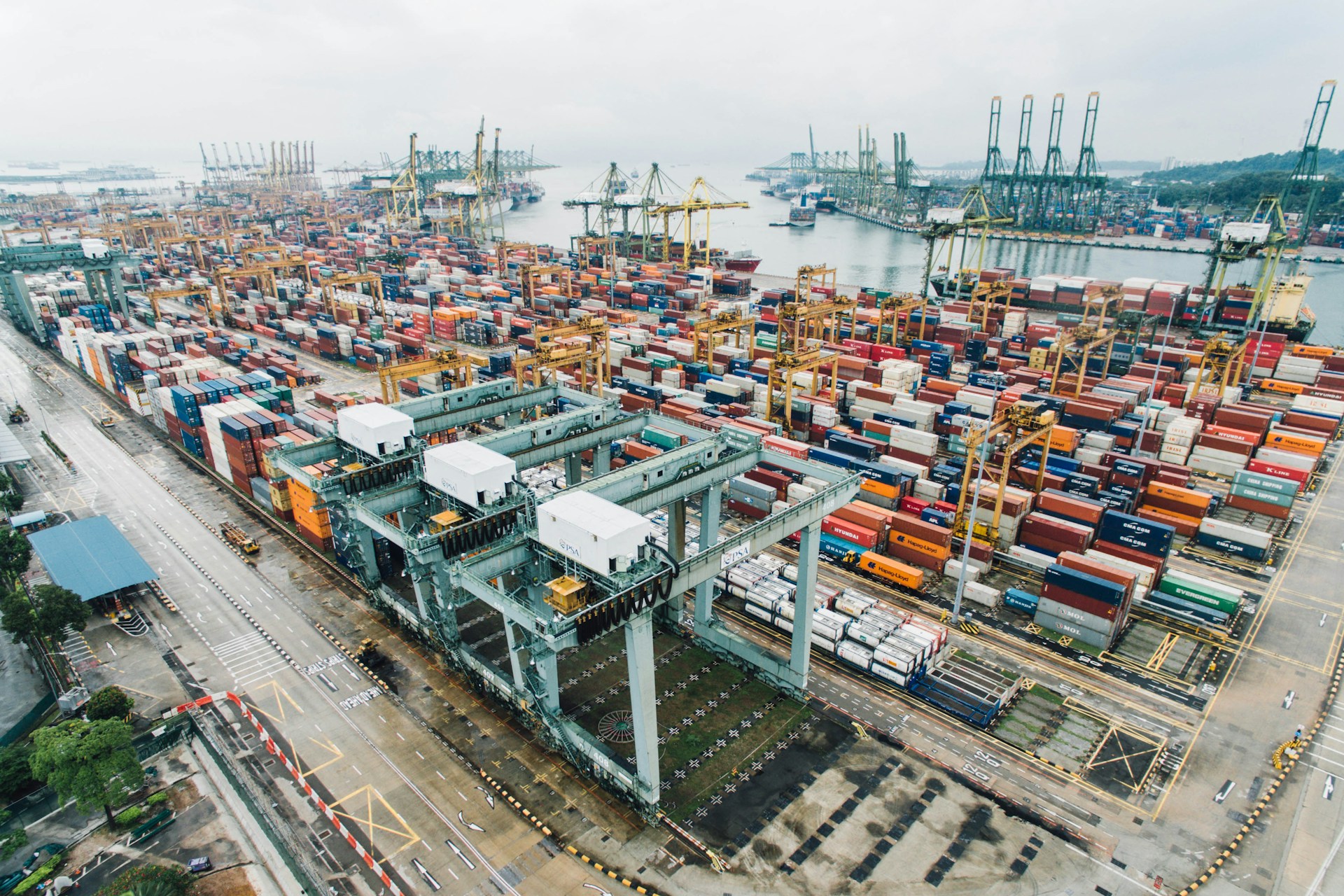
The FOB point of shipment, also known as FOB shipping point, indicates that the seller is responsible for the goods only until they are handed over to the carrier. Once the items are loaded onto the transport vehicle at the point of shipment, the buyer assumes responsibility. This includes any risks or costs associated with transportation, such as damage, theft, or delays during transit.
For example, if a manufacturer in Shenzhen ships goods to a retailer in Chicago under FOB Shenzhen port terms, the seller’s responsibility ends once the goods are loaded onto the vessel at the Shenzhen port. From that moment on, the buyer is liable for the cargo, including arranging and paying for the shipping, insurance, customs clearance, and final delivery.
This setup often benefits the seller, as it limits their liability once the goods leave their warehouse or production facility. On the flip side, it places more responsibility on the buyer, who must coordinate with logistics providers and ensure proper insurance coverage. Understanding the FOB point of shipment allows buyers to plan their logistics strategy more effectively and avoid unexpected costs.
Why FOB Point of Shipment Matters in Global Trade
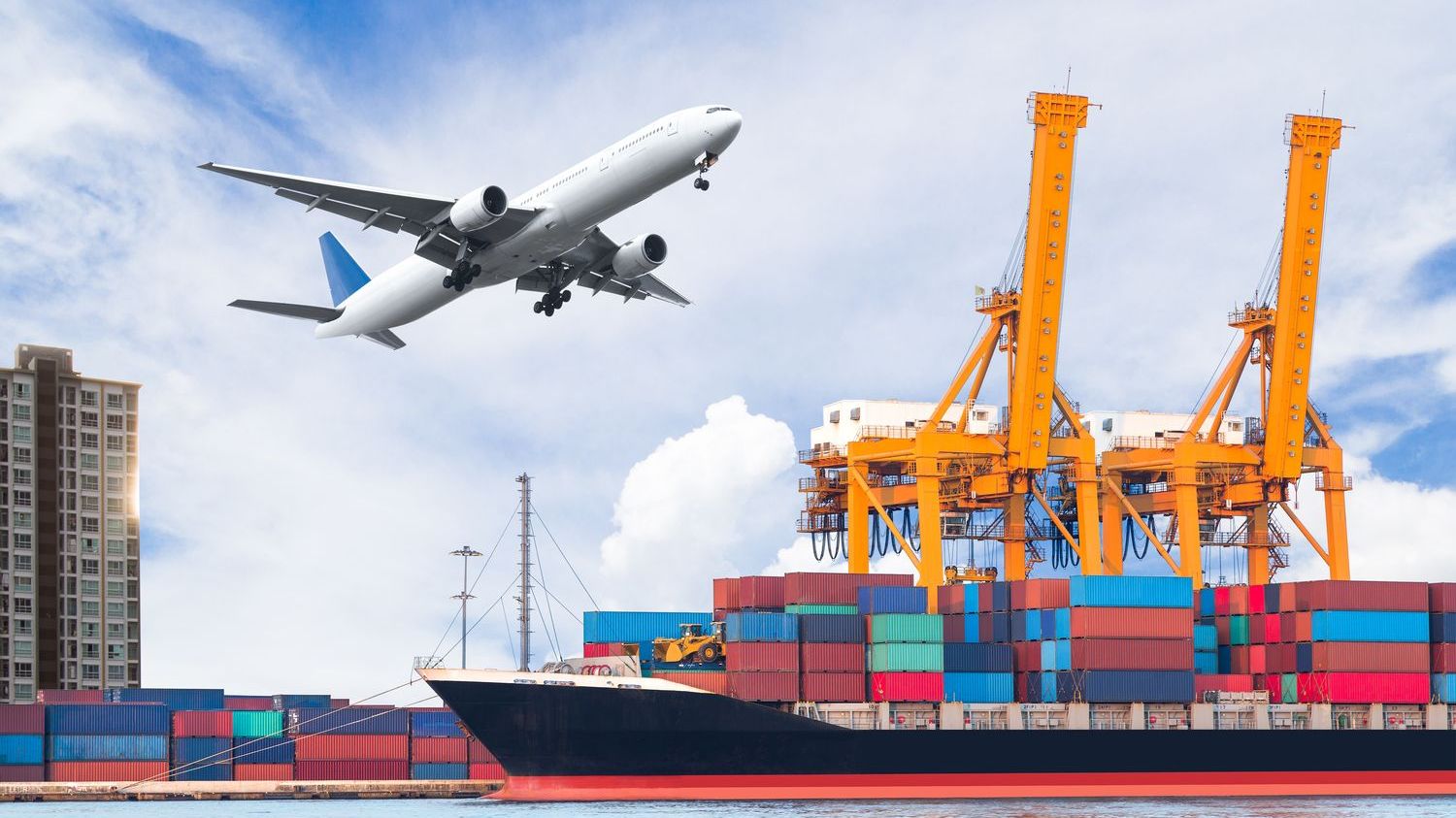
In international commerce, clarity is key. The FOB point of shipment helps define the exact moment when the ownership and risk of goods shift from one party to another. This definition is especially important in resolving disputes over damaged or lost cargo. If the goods are damaged during transit and the contract specifies FOB origin, the buyer typically bears the loss unless they have insurance coverage.
Additionally, FOB terms affect accounting and financial reporting. Sellers can record revenue as soon as the goods are shipped, while buyers must account for freight and insurance costs as part of their inventory expenses. This distinction can have implications for cash flow, tax reporting, and overall financial planning.
FOB vs. Other Shipping Terms
It’s important to distinguish FOB from other commonly used shipping terms like CIF Cost, Insurance, and Freight or DDP Delivered Duty Paid. Under CIF, the seller covers the cost of shipping and insurance up to the destination port, whereas in DDP, the seller handles all logistics, including customs duties and taxes, until the goods are delivered to the buyer.
Choosing between FOB and other terms depends on several factors, including the relationship between the buyer and seller, the nature of the goods, and the level of control each party wants over the shipping process. For buyers who prefer greater control over their supply chain and want to manage costs more efficiently, the FOB point of shipment is often the preferred choice.
How to Use FOB Point of Shipment Effectively
To make the most of the FOB point of shipment, buyers should establish a reliable logistics network. This includes working with experienced freight forwarders, securing proper insurance, and understanding customs regulations in the destination country. It’s also essential to clearly define the FOB point in the contract to avoid ambiguity.
For instance, specifying “FOB Shanghai Port” means the seller is responsible for all costs and risks until the goods are loaded onto the vessel at Shanghai Port. After that, the buyer takes over. This level of detail ensures that both parties understand their obligations and can plan accordingly.
One of the key advantages of using FOB terms is cost efficiency. Since the buyer can choose their own freight forwarder, they can negotiate better rates and tailor the shipping process to their specific needs. This can lead to significant savings, especially for companies that ship large volumes regularly.
XRGLOBAL: Your Trusted Partner in FOB Logistics
When it comes to managing the FOB point of shipment, having a reliable logistics partner can make all the difference. XRGLOBAL is a leading logistics brand specializing in international freight, customs clearance, and supply chain management. With a strong presence in major shipping hubs across Asia, Europe, and North America, XRGLOBAL offers end-to-end solutions tailored to the needs of modern businesses.
XRGLOBAL understands the complexities of FOB shipping and provides comprehensive support to buyers who take over responsibility at the point of shipment. Their services include freight forwarding, cargo insurance, documentation assistance, and real-time shipment tracking. Whether you’re importing electronics from China or textiles from Vietnam, XRGLOBAL ensures your goods reach their destination safely and on time.
What sets XRGLOBAL apart is its commitment to transparency and customer service. They provide clear pricing structures, no hidden fees, and personalized support to help businesses navigate the intricacies of international trade. Their team of experts works closely with clients to develop customized logistics strategies that align with their business goals.
For companies looking to streamline their supply chain and reduce costs, XRGLOBAL offers scalable solutions that grow with your business. From small startups to large enterprises, their services are designed to meet the demands of today’s fast-paced global market.
Final Thoughts
In conclusion, the FOB point of shipment is a fundamental concept in international trade that defines when the responsibility for goods transfers from the seller to the buyer. Understanding this term is essential for managing logistics, minimizing risks, and optimizing costs. Whether you’re a buyer or a seller, clarity on FOB terms can prevent disputes and improve operational efficiency.
As businesses continue to expand globally, having a trusted logistics partner like XRGLOBAL becomes increasingly important. With their expertise in FOB shipping and commitment to excellence, XRGLOBAL empowers businesses to navigate the complexities of international trade with confidence and ease. Choosing the right logistics partner is not just about moving goods—it’s about building a sustainable and resilient supply chain for the future.